

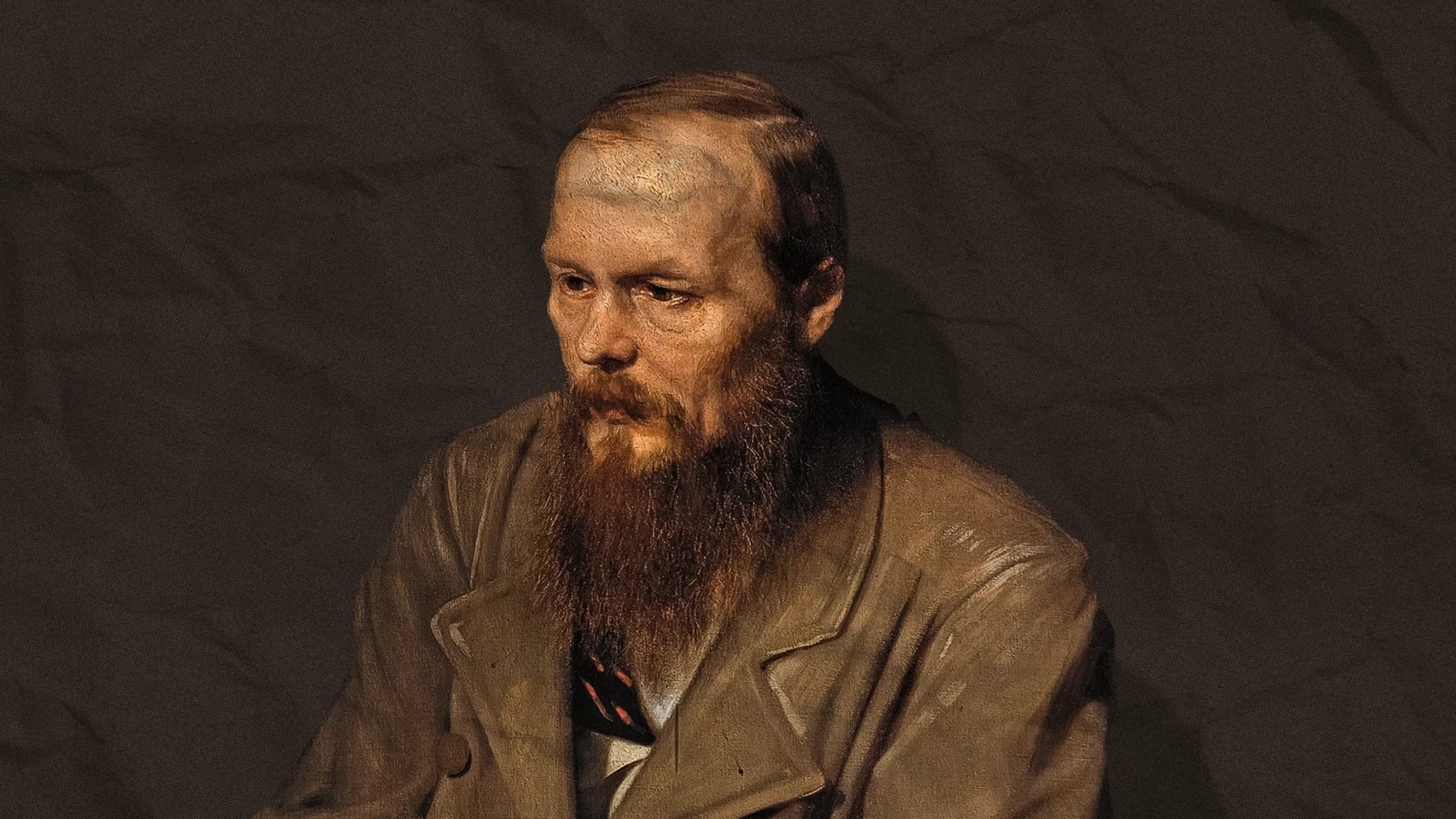
When people think of the great Russian novelist Fyodor Dostoevsky, they usually think of his four greatest novels: The Brothers Karamazov, Crime and Punishment, Demons, and The Idiot.
But Dostoevsky produced far more than that: short stories, novellas, and lesser-known novels poured from his pen, well beyond just his “big four.” Indeed, these other works lay the psychological and moral groundwork for his major novels.
One in particular had enormous personal and historical significance that frequently goes unappreciated:
It’s called The House of the Dead.
If you have gotten through Dostoevsky’s major works and want more, or if you just want something easier than Demons, you should read this novel instead. Here’s why…
Don’t forget to join our book club!
We are currently reading Aristotle’s Nicomachean Ethics.
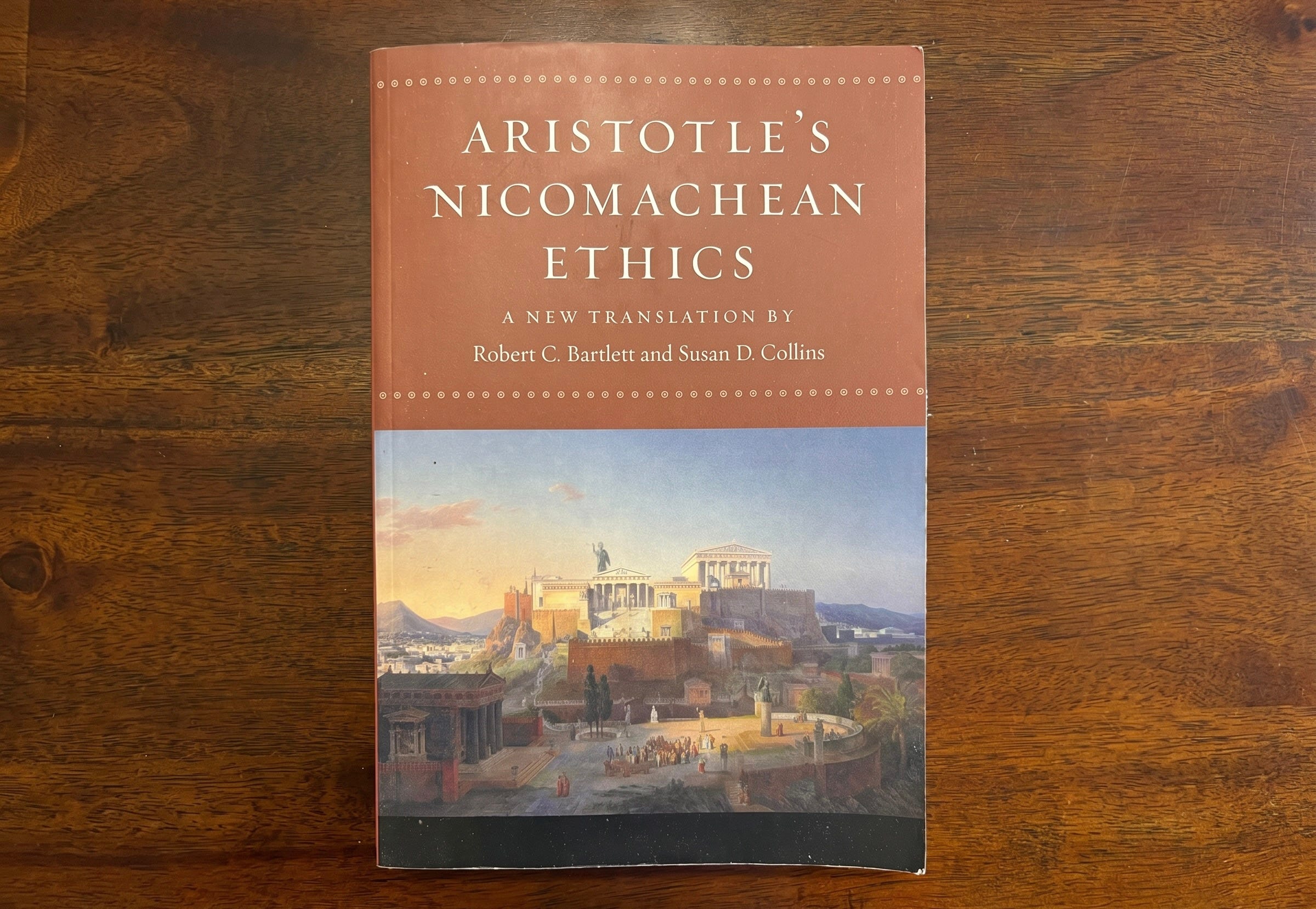
The next discussion is on Tuesday, June 23, at noon ET. You can watch back the first session here in case you missed it.
We are 100% reader-supported. To support our mission and join our reading group, please consider a paid subscription. You’ll get:
All live book discussions (biweekly) and recordings
Access to our incredible community of readers
Regular essays to guide you through the books we’re reading
The full library of articles, essays, and podcasts
Ability to vote on what we read next…
Dostoevsky’s Autobiographical Novel
Dostoevsky was not always a world-changing novelist. As a teenager he was sent to a military academy, where he quickly showed himself to be utterly unsuited to military life.
He was, however, a capable writer, and had several early novels and short stories published in literary magazines. After resigning from the military, he continued writing, but also found himself in a circle of social reformers and political activists. Such circles could be dangerous, as a denouncement may mean prison for political crimes. Unfortunately for Dostoevsky, that is exactly what happened to him: his circle was denounced to the government, and he and his friends were banished for four years.
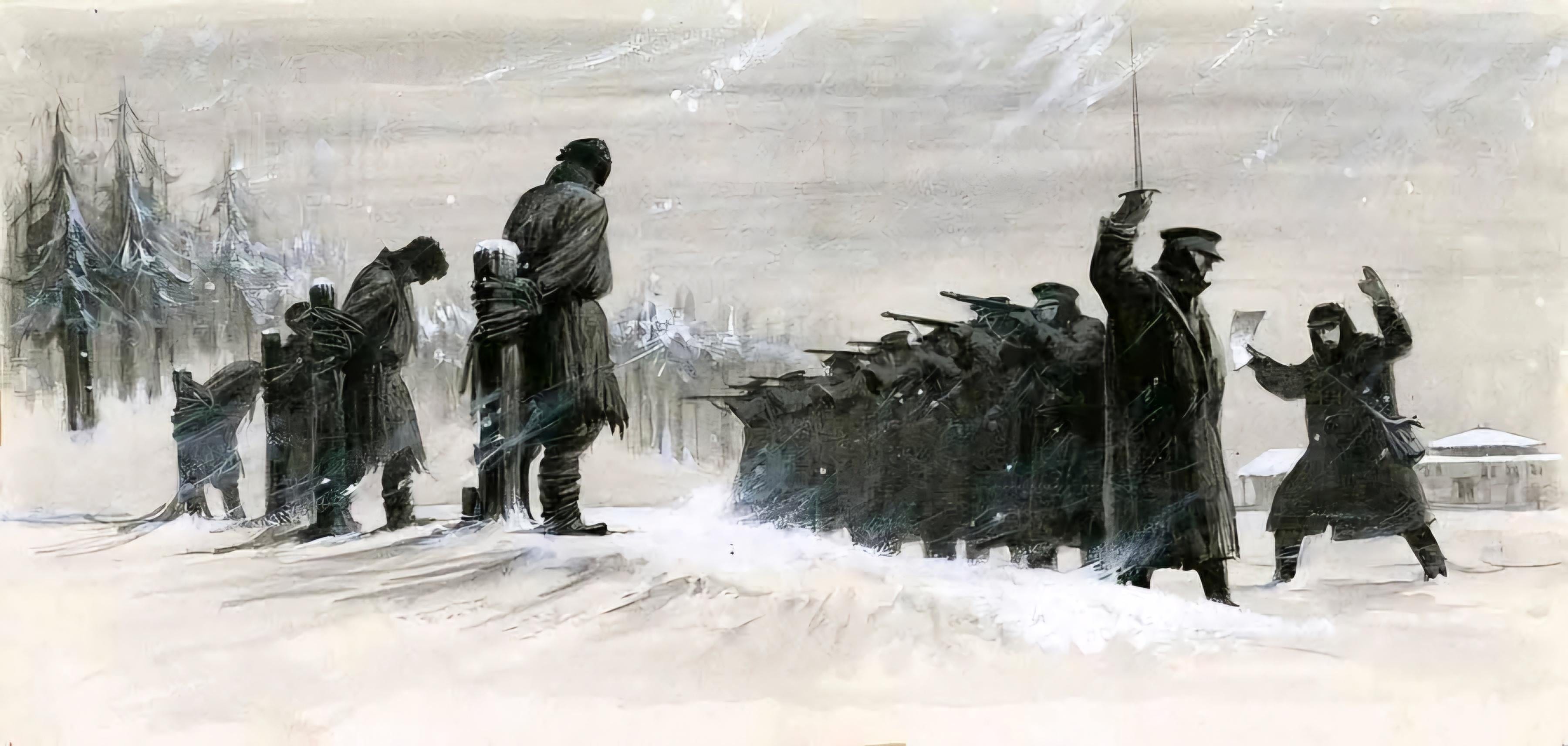
Russian prisons were brutal: located in one of the coldest, most desolate environments on Earth, Siberia, prisoners were forced to live and work in dehumanizing, unsanitary conditions. While Dostoevsky survived, he never forgot the experience. And when he was finally released, he wrote what was to be one of his most influential works, based almost entirely on his own experiences in the prison: the novel The House of the Dead.
This makes The House of the Dead an insight into Dostoevsky’s personal psychology in a way that few other books are. The thoughts and experiences of the main character are often the very thoughts and experiences Dostoevsky himself had.
The Power of Cruelty on Human Nature
The House of the Dead follows Aleksandr Petrovich Goryanchikov, an inmate in Siberia who has been convicted of murdering his wife. The novel follows Goryanchikov as he discovers the struggles of prison life, from the decrepit living conditions and hard labor to the spiritual harm done to the prisoners.
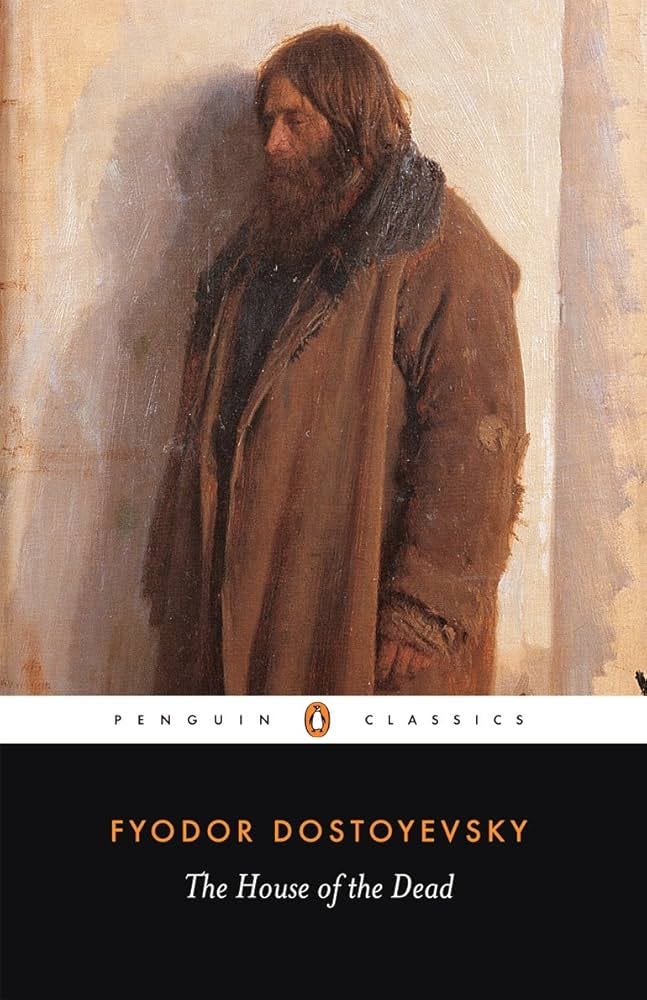
And indeed, the spiritual harm is much greater than the physical: moral and spiritual degradation are rampant throughout the camp. Because the inmates are treated so poorly, and live so miserably, there is little-to-no sense of companionship among the prisoners.
Thievery, in particular, is a massive problem. Goryanchikov relates that even his friends in prison steal from him. And when he confronts them about it, they treat it as a completely neutral fact, neither one to be apologized for nor explained. That is just what you do in Siberia; if you are not paying attention to your belongings, you will have them stolen.
This is not the only problem that the prison has, but it will serve as an example. In general, though, the prisoners are deprived of their ability to trust one another, and the prison guards treat them horribly. This means that where humans normally rely on community for safety, friendship, and identity, in Siberia it is the opposite: everyone around you is against you, and you have nobody to trust but yourself.
Moreover, the criminals themselves have a negative moral and spiritual impact on one another. They are cowardly, conniving, and cruel; in a word, criminal. Thus the purpose of community is further corrupted: whereas the people around you are meant to, in some way, build you up, the community of the House of the Dead only serves to make you worse, and to make you less yourself.
Goryanchikov eventually realizes that this system is not helping anybody, and amounts to little less than a total dehumanization of the people subjected to it. Instead, it simply hurts both the prisoners and those who are responsible for maintaining the prison. The novel, while it lacks a strong plot or clear conflict beyond the conflict between Goryanchikov and the culture of the prison, is therefore a piercing psychological piece, concerning the need and nature of friends, family, and community.
But that is not the only reason you should read this book. It is also the historical ancestor of an entire genre of literature that yielded a much more famous work…
The Birth of Prison Literature
The House of the Dead was not just a novel. While all of Dostoevsky’s novels are profoundly psychological studies and haunting moral dramas, this book, in particular, served a social and political purpose, as well.
It was meant to help people realize the evil that was occurring in Siberia. That evil was not, of course, the punishment of the wicked; as has already been discussed in previous newsletters, Dostoevsky certainly believed in just punishment for criminals. But in Crime and Punishment, the punishment is meant to serve as a humanizing effect on Raskolnikov — it makes him more human.
In The House of the Dead, Dostoevsky is arguing that some punishment, including those used in Siberia, are not doing that. And this argument would become highly influential in modern literature: the book was an early, foundational text in prison literature, which is meant to help people consider and advocate for those who are punished unjustly. This literary tradition, of course, reached its pinnacle with Alexander Solzhenitsyn’s masterpiece The Gulag Archipelago. But while Solzhenitsyn’s work is (in my opinion at least) sprawling, occasionally plodding, and bleak, Dostoevsky’s novel is engaging, brief, and much more approachable.
One of Dostoevsky’s greatest skills is writing novels that take the psychology of his characters, and his readers, for that matter, seriously. The House of the Dead does so.
What makes it unique among his other most popular novels, however, is its sociological and autobiographical nature. It is unquestionably one of the greatest novels you’ve never heard of, and it is a must-read for any fan of Dostoevsky.
Thanks for reading!
Don’t forget to join our book club!
We are currently reading Aristotle’s Nicomachean Ethics.
The next discussion is on Tuesday, June 23, at noon ET. You can watch back the first session here in case you missed it.
Suffering gave him a keen insight into human psychology that is still relevant today. Thank you for this excellent article
Thank you for this excellent review. I now feel compelled to read this as it seems to be a precursor of two of my favourite pieces of literature: Victor Frankle’s Man’s Search for Meaning; and Primo Levi’s If This is A Man. Both of those were by survivors of Nazi concentration camps who were able later to distill their experience into profound existential insight. In particular that even in the most hellish of environments, individuals still have choice, and the personal characteristics which facilitated that meant, often, the ability to survive or not.