

Why Christianity Should Not Have Survived
And Yet, Here We Are
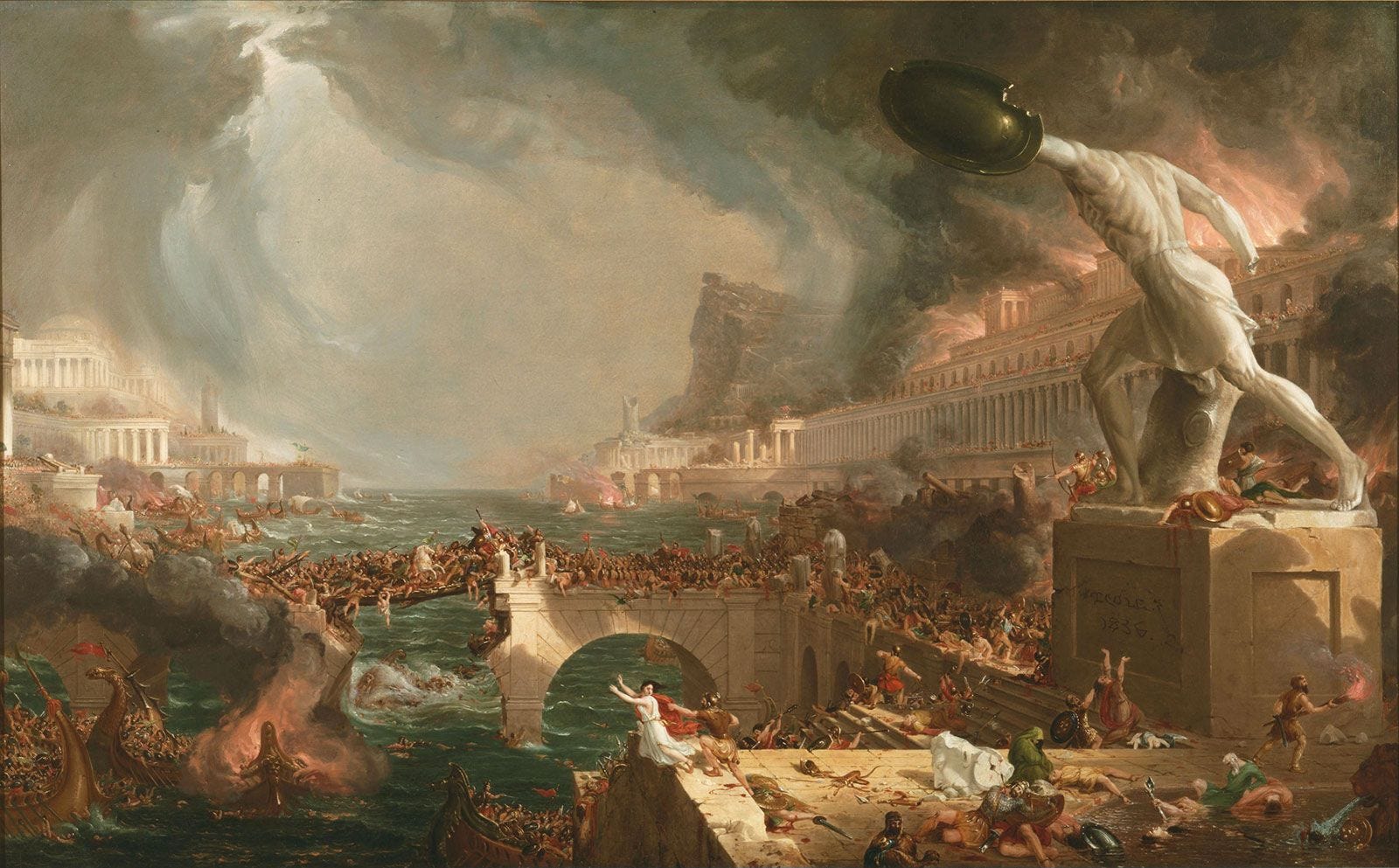
In The Everlasting Man, Chesterton keeps returning to one quiet fact. Christianity is still here. Not as a ruin, not as a rumor, not as a footnote in history, but as a living thing that people still argue with, submit to, rebel against, return to, and build their lives around.
He treats this as something that needs explaining.
Most books about religion focus on origins. They ask where beliefs came from, which social conditions produced them, and what psychological needs they satisfied. Chesterton thinks this approach misses the harder problem. Lots of ideas begin. Very few remain. Time eliminates most of what human beings create. What survives does so for reasons that go deeper than fashion, power, or accident.
Chesterton looks at Christianity the way a naturalist looks at a species that has crossed ice ages, extinctions, and climate shifts. The question is not whether it once made sense. The question is why it continues to function under conditions that destroy similar things.
This is a historical observation. Christianity has passed through environments that dissolve institutions, exhaust philosophies, and discredit moral systems. It continues to operate inside societies that are hostile, indifferent, or exhausted by it. Chesterton thinks this endurance points to something real about both Christianity and human beings..
Thank you for being part of our mission! If you’d like to support us, and join in the book club sessions directly, please consider a paid subscription. You’ll get:
All live book discussions and recordings (biweekly)
Regular essays to guide you through the books we’re reading
The full archive of articles, essays, and podcasts
Access to our community of readers
Our first discussion on The Everlasting Man by G. K. Chesterton takes place on January 6 at 12pm ET — join us!
Note: all paid members can join the live discussions up on stage. You’ll receive Zoom links shortly before each session.
Time as the Hardest Judge
Time places demands on ideas that criticism never can. An idea can survive an argument through cleverness, and it can survive a generation by solving a temporary problem, but an idea that remains alive for centuries has answered needs that return again and again no matter how much the surface of life changes.
Chesterton sensed this almost instinctively. He lived at a moment when many people believed history advanced by shedding what came before it, and he watched confident theories rise with great assurance only to collapse quietly within a few decades, while political movements promised permanence and left behind confusion, bitterness, and ruins. Against this background of constant turnover, Christianity appeared unusually steady… present in every stage of the upheaval.
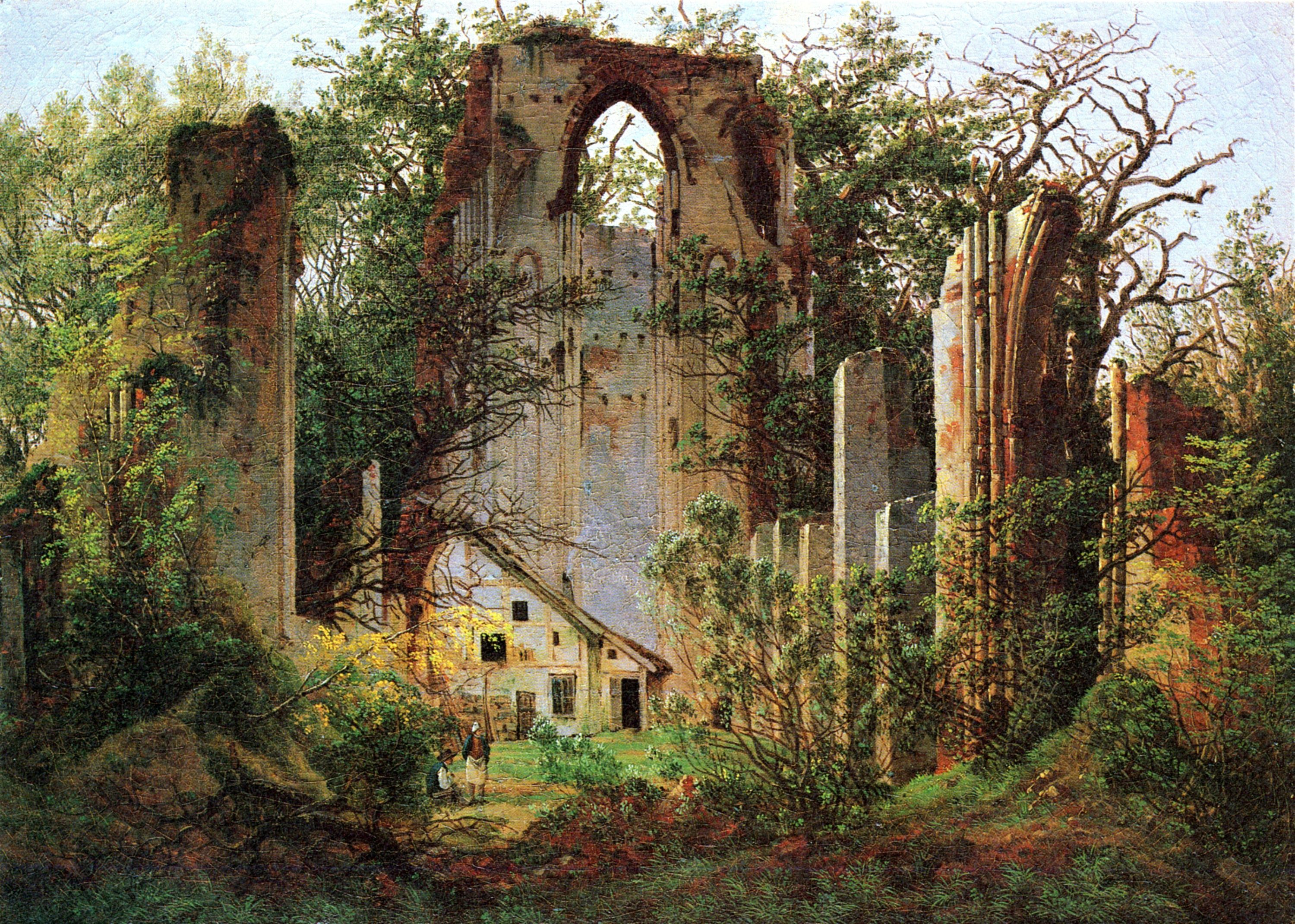
Empires rise quickly, accumulate power, and then fall apart with surprising speed, while philosophical systems flare up with intellectual brilliance and then fade once their assumptions no longer persuade. Moral fashions shift as social pressures change, and what once seemed obvious comes to feel embarrassing. Christianity continues to pass through these cycles without vanishing, even as the worlds around it rearrange themselves.
Its outward form changes constantly as languages evolve, artistic styles shift, and institutions reorganize in response to new conditions, yet the underlying story and the demands it places on human life remain recognizable from century to century. Time presses on everything without exception, and Christianity shows an unusual capacity to absorb that pressure without losing its shape.
Beginnings Are Easy
One reason Chesterton avoids lingering over origins is that beginnings explain very little about what lasts. Starting something is rarely the hard part, because a charismatic leader, a moment of crisis, or a compelling idea can bring a movement into existence almost overnight.
History offers endless examples of this pattern. Cultures invent religions that feel urgent and necessary for a time, revolutions invent ideologies that promise total transformation, and intellectual schools invent systems of thought that appear airtight until they are quietly abandoned. Most of these creations burn brightly for a short period and then disappear once the conditions that produced them fade.
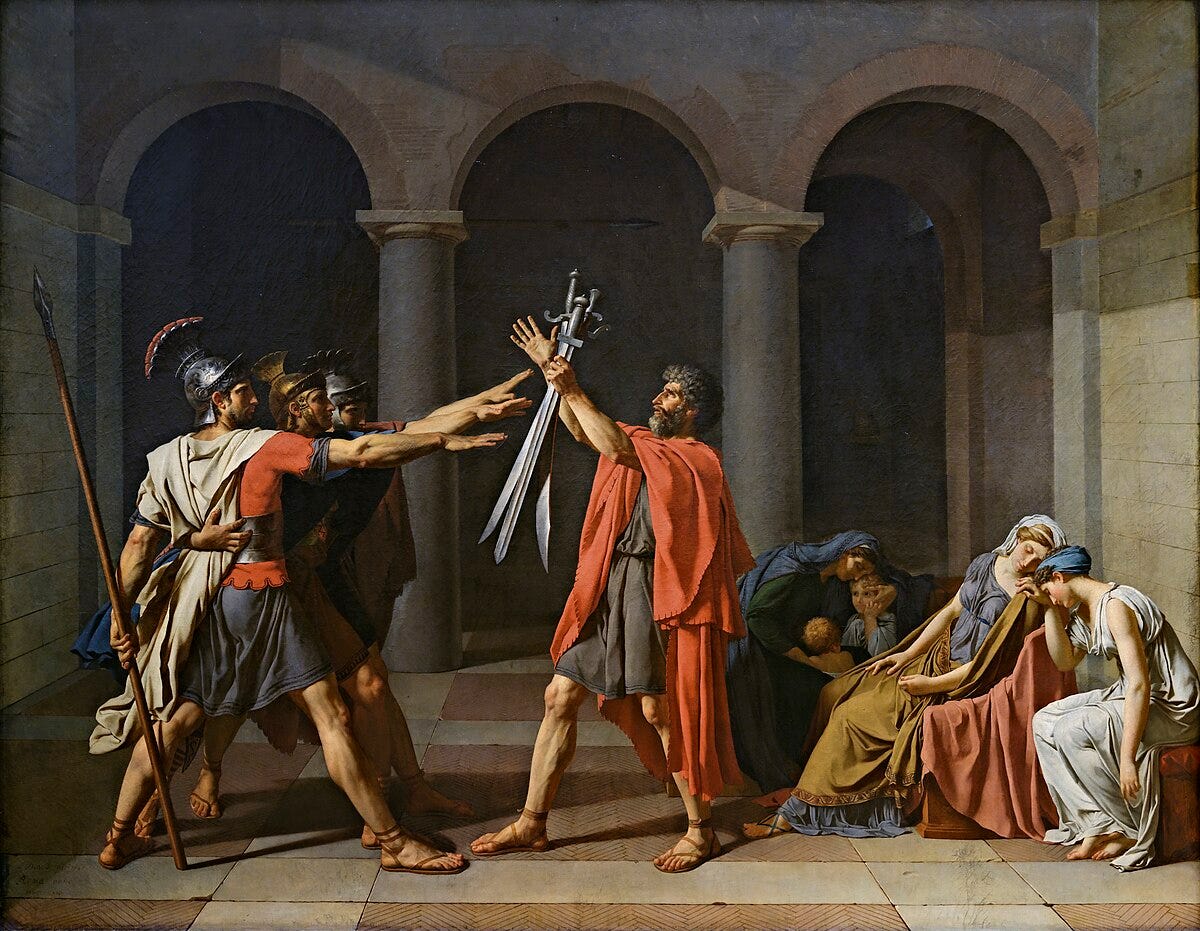
When Chesterton looks at Christianity’s beginning, he notices how modest it appears from any strategic perspective. It begins with a small group of followers in a marginal province, without institutional backing, military force, or economic leverage, and its founder dies young through public execution, leaving behind no written work and no obvious plan for expansion.
None of this predicts long-term survival. Many movements begin under dramatic or even heroic circumstances and still vanish within a generation. The interesting question is not why Christianity started, but why it did not end when so many similar movements did.
Early Memory and Structure
Chesterton pays close attention to how Christianity organized itself early, because any religion that lasts must learn how to remember itself. Memory cannot depend on excitement or personal devotion alone, since both fade quickly.
Almost immediately, Christianity begins storing itself. Stories are repeated in fixed forms, letters circulate between communities, rituals take on regular patterns, leadership roles emerge, and distant groups remain connected through shared practice and teaching. This is not abstract planning but a response to a simple fact: ideas drift when they are not anchored, and communities fragment when memory weakens.
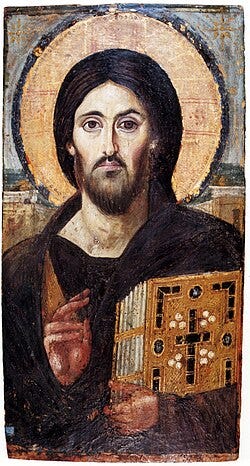
By embedding belief in routine, Christianity makes itself harder to erase. Words spoken every week sink deeper than ideas explained once, and actions performed together carry meaning without the need for constant explanation. Ritual becomes a way of preserving memory even where education is limited or unstable.
This approach proves durable. When conditions deteriorate and external supports collapse, the memory carried in habit and practice remains available.
Living Through Collapse
One of the most striking episodes in Chesterton’s historical imagination is the collapse of Roman civilization. The empire that once dominated the Mediterranean world disintegrates under pressure, roads decay, cities empty, trade contracts, and centralized authority disappears across large regions.
Most institutions tied closely to Roman power vanish along with it, yet Christianity continues to function within the wreckage. Local Christian communities remain organized, bishops serve as figures of continuity where civil authority fails, and monasteries preserve books, skills, and habits of thought that would otherwise be lost.

Chesterton treats this period as a severe test. Christianity lives through the failure of the world that once tried to suppress it and continues into a landscape marked by fragmentation, insecurity, and violence. Stability becomes rare, yet the religion remains present.
This survival rests on continuity rather than dominance. Christianity carries memory forward when other systems forget themselves, and it provides a shared framework at a time when shared structures are scarce.
Transmission Without Uniformity
Christianity spreads across cultures that have little in common with one another. It enters Greek cities shaped by philosophy, Roman societies shaped by law, northern tribes shaped by custom and kinship, and later modern nations shaped by science and industry.
Chesterton notices that Christianity adapts to each environment without dissolving into it. It takes on local language, artistic expression, and social form, while keeping its central story intact. This matters because ideas tied too tightly to one culture struggle once that culture fades.
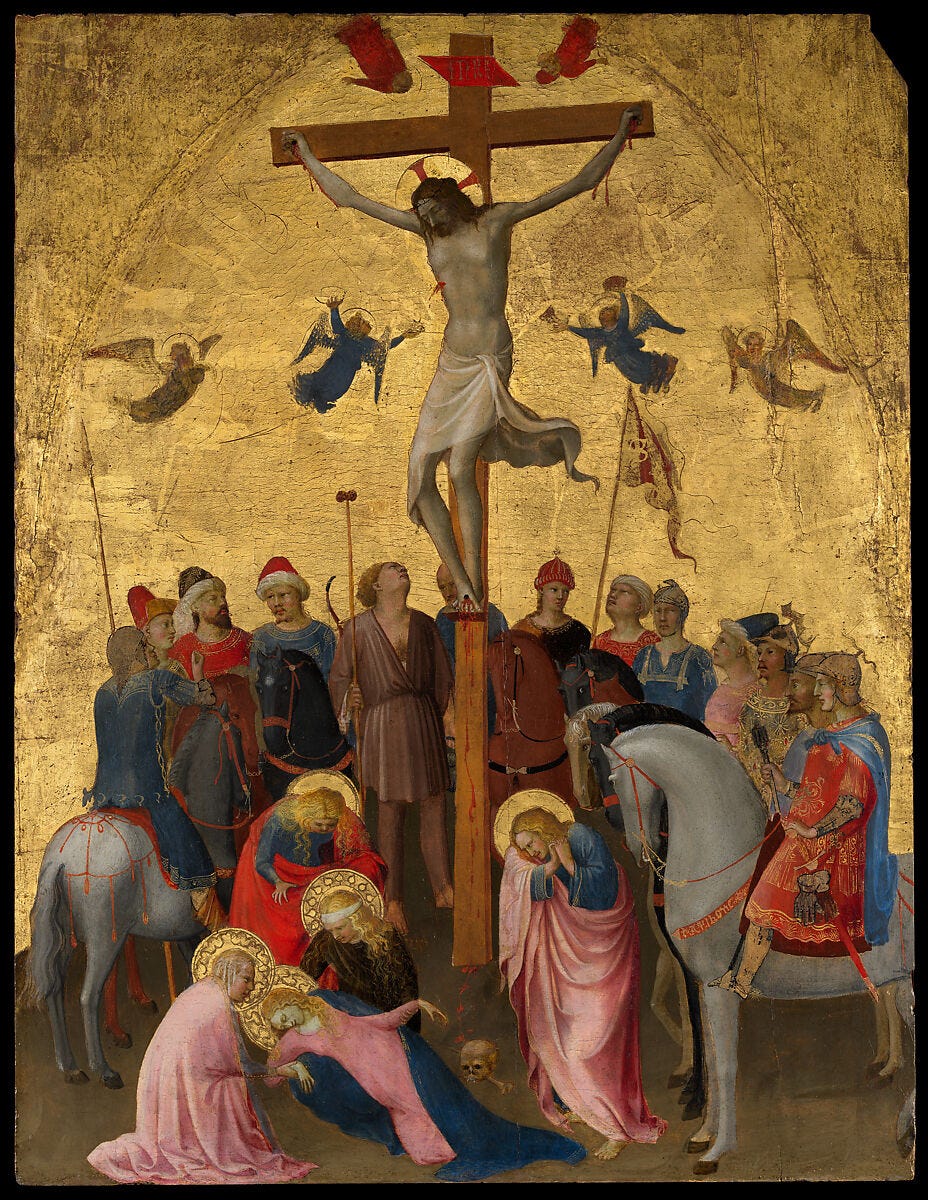
Christianity functions more like a pattern than a costume. It can be worn in many places without losing its shape, because it does not demand uniformity of expression, only continuity of meaning. Certain claims remain central, even as everything around them changes.
This balance allows Christianity to move through history without losing coherence, absorbing difference without becoming indistinct.
Doctrine as Memory
Chesterton treats doctrine as a practical necessity rather than an abstract exercise. Beliefs draw boundaries, and boundaries preserve identity over time.
Christian doctrine develops under pressure as disagreements arise and interpretations multiply. Councils clarify shared understanding, and creeds condense complex ideas into language that can be memorized and repeated. This process protects Christianity from slow drift, which over centuries can blur identity beyond recognition.
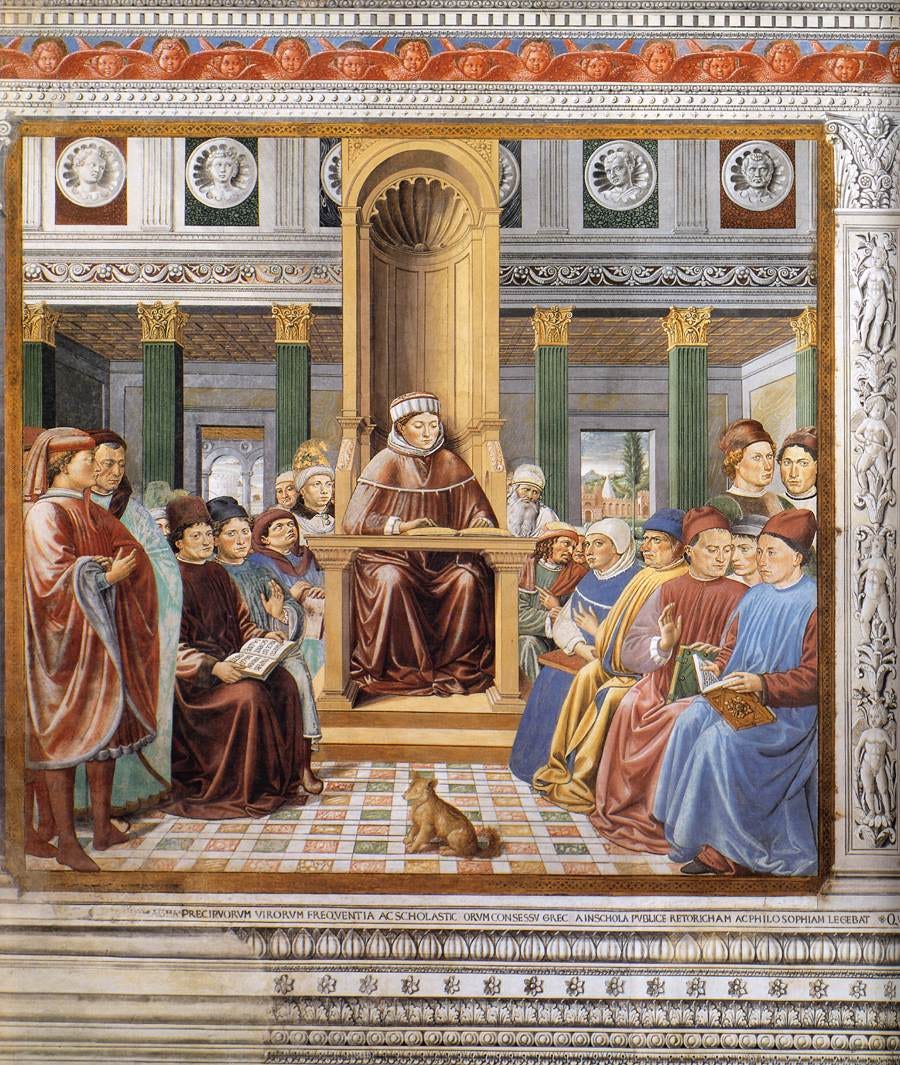
Without correction, small changes accumulate until the original shape disappears. Doctrine functions as a stabilizing force that allows development without dissolution. Chesterton compares this stability to skeletal structure, where movement remains possible because the bones stay in place.
Time tests ideas relentlessly, and doctrine allows Christianity to endure those tests without losing itself.
A View of Human Nature That Ages Well
At the center of Chesterton’s argument lies a view of human nature that remains consistent across time. Christianity lasts because it describes human beings in ways that continue to feel accurate.
Human nature changes far more slowly than technology or social organization. People experience moral failure, guilt, fear, hope, and longing in every era, and Christianity speaks directly to these experiences without requiring constant revision.
It assumes weakness as a normal condition, builds forgiveness into its structure, and expects return rather than perfection. This design matters over long periods, because systems built on idealized views of humanity collapse when reality intervenes.
Christianity remains usable because it fits real people across generations. Chesterton sees this realism as one of its enduring strengths, offering a framework that human beings can inhabit without pretending to be something else.
Ritual as Time Made Visible
Ritual plays a central role in Chesterton’s understanding of endurance, because time becomes more bearable when it is marked and shaped. Ritual divides life into meaningful segments and connects individual moments to a larger story.
Christian rituals mark birth, maturity, suffering, and death, repeating across generations and carrying memory without explanation. Through repetition, continuity forms naturally. A child enters a world already shaped by meaning, and an old person recognizes familiar words at the end of life.
Time becomes something shared rather than endured alone. Chesterton sees ritual as a technology of memory that keeps belief alive in the body rather than relying on abstract reflection.
Pressure From Modern Life
Christianity continues into modernity, an era shaped by scientific discovery, industrial scale, and individual autonomy. Traditional authority weakens, and old institutions lose prestige.
Chesterton lived inside this transition and watched confidence shift from inherited wisdom to technical mastery, while belief came to be treated as a leftover from earlier ignorance. He did not deny scientific progress, but he questioned the idea that progress replaces the need for meaning.
Human experience remains structured by obligation, suffering, and hope. Christianity continues to speak to these realities, even as its public presence rises and falls. Its relevance persists in private life and personal struggle.
Time introduces new pressures, and Christianity absorbs them as it has absorbed others.
Why Endurance Matters
Chesterton does not treat Christianity’s survival as a formal proof. He treats it as a clue that resists easy dismissal.
Ideas that last tend to describe something real, tools that remain useful tend to fit their purpose, and systems that endure tend to align with the material they work with. Christianity has worked with human beings for a very long time.
This does not end argument, but it reframes it. The question shifts away from origins and toward function, away from beginnings and toward persistence. Chesterton invites the reader to look at history patiently, because time reveals patterns that excitement obscures.
Against a background of constant disappearance, Christianity’s endurance continues to stand out…
Thanks!! nice article.
In my view, there are two mechanisms that could explain the endurance of Christianity in the face of changing social norms and cosmovision.
The first mechanism is not that different from other religions: tradition. Lots of people find relief in replicating what their parents and close persons rely upon. Lots of people feel comfortable and confident in institutions with a long history, a clearly defined hierarchy, and, more or less, clear norms.
The second mechanism is the intervention of the Holy Spirit, that constantly encourages the weak and the frustrated hearts of Christians and leads them to put their eyes on Jesus.
I know little of Chesterton, but I presume he somehow valued more the first mechanism...
We may be able to see Islam under a similar lens but Hinduism, although it has survived millennia, has not seeped beyond a few cultures and regions. Probably because, as Chesterton points out, it is important if an idea wants to survive, to adapt to social forms and artistic expressions beyond a certain culture. Hinduism demanded uniformity of expression and hence, could not spread with the same vigorousness that Christianity did.