

Who Are We Without the Tao?
C. S. Lewis’s warning about the collapse of objective value


Some books explain things you already halfway knew. Others point to a problem you didn’t realize was shaping your life. The Abolition of Man is the second kind. It’s short. You can read it in an afternoon. But the argument reaches into everything… how we teach, how we build culture, even how we understand what it means to be human. Lewis says a certain shift in thinking won’t make people freer. It will make them smaller. It will create people who can handle information but can’t tell whether anything is worth caring about..
He says education teaches you how to see the world. It trains your instincts so you respond to things in the right way. When that part of education disappears you get someone who can solve problems but can’t judge what matters. Their sense of value gets dull. Their ability to recognize what’s good starts to fade.
So the question now is how our language about value changed, why our affections matter, what happens when values become subjective, why power without wisdom is dangerous, and what Lewis meant by the book’s title..
Don’t forget to join our FREE book club!
We started a digital book club to study the great texts of Western Civilization — from Dante to Dostoevsky — together. Inside, you’ll get:
Live community book discussions (bi-weekly)
New, deep-dive literature essays every week
The entire archive of book reviews + our 100 great texts reading list
Our second discussion on The Abolition of Man by C. S. Lewis takes place on December 9th at 12pm ET. Bring your thoughts, questions, and your favorite passages!
Sign up below to attend — all paid members can join the live discussion up on stage…
Note: paid subscribers via Substack will automatically receive an access link for the live calls.
The Waterfall Problem
The argument begins with a simple example. A school textbook presents a passage where two writers call a waterfall sublime. The textbook then claims this statement tells us nothing about the waterfall. It tells us only about their feelings. What appears to be an innocent correction reveals a deeper shift. If beauty is only a feeling, then no statement about beauty can be true or false. Beauty becomes a subjective reaction rather than something in the world that calls forth admiration.
The book explains the older view this way:
“Until quite modern times all teachers and even all men believed the universe to be such that certain emotional reactions on our part could be either congruous or incongruous to it.”

This is the heart of the matter. For centuries, people believed that emotions could be trained to match reality. A proper response to greatness was awe. A proper response to cruelty was disgust. Emotions were not arbitrary. They had direction. They could be correct.
The textbook strips this away. It teaches students that value language tells us nothing about the object being described. Once that shift happens, something fragile begins to crack. Without realizing it, students absorb the idea that nothing truly deserves admiration or contempt. This weakens the inner structure that gives moral vision its strength.
If beauty is subjective, then so is justice. If justice is subjective, then moral claims lose their authority. The waterfall example starts the chain reaction that the book spends its chapters tracing.
The Training of the Heart
Lewis argues that real education shapes the heart. The intellect matters, but reason cannot operate well when the emotions are disformed. A person needs to feel the worth of things. A person needs to admire what deserves admiration. A person needs to hate what deserves hatred. Without these instincts, reason floats without anchor.
“The task of the modern educator is not to cut down jungles but to irrigate deserts.”

This line reveals the book’s central insight. Many educators believe that enthusiasm and emotion are dangers. They try to prune them. They warn students against passion. They believe they are teaching objectivity. But the problem of modern culture is not excessive passion. It is dryness. Students lack the inner appetite for greatness. Their emotional world is barren. They do not feel deeply enough about anything.
When the heart becomes a desert, it cannot respond to value. Education becomes a transfer of facts into an emotional vacuum. A person can recite formulas, write essays, and perform experiments, but still miss the meaning of good actions or noble sacrifices.
Older educational traditions treated the heart as soil. They planted stories, poems, legends, and examples to shape sentiment. They understood that people grow wise through admiration and imitation. The book defends this tradition. It insists that values are real and that the heart must be trained to recognize them.
The Collapse of Value
Once values are treated as subjective, a serious consequence follows. Ethics becomes merely personal. Beauty becomes mere preference. Duty becomes a social convention. When this happens, the foundations of culture weaken..
“We castrate and bid the geldings be fruitful.”
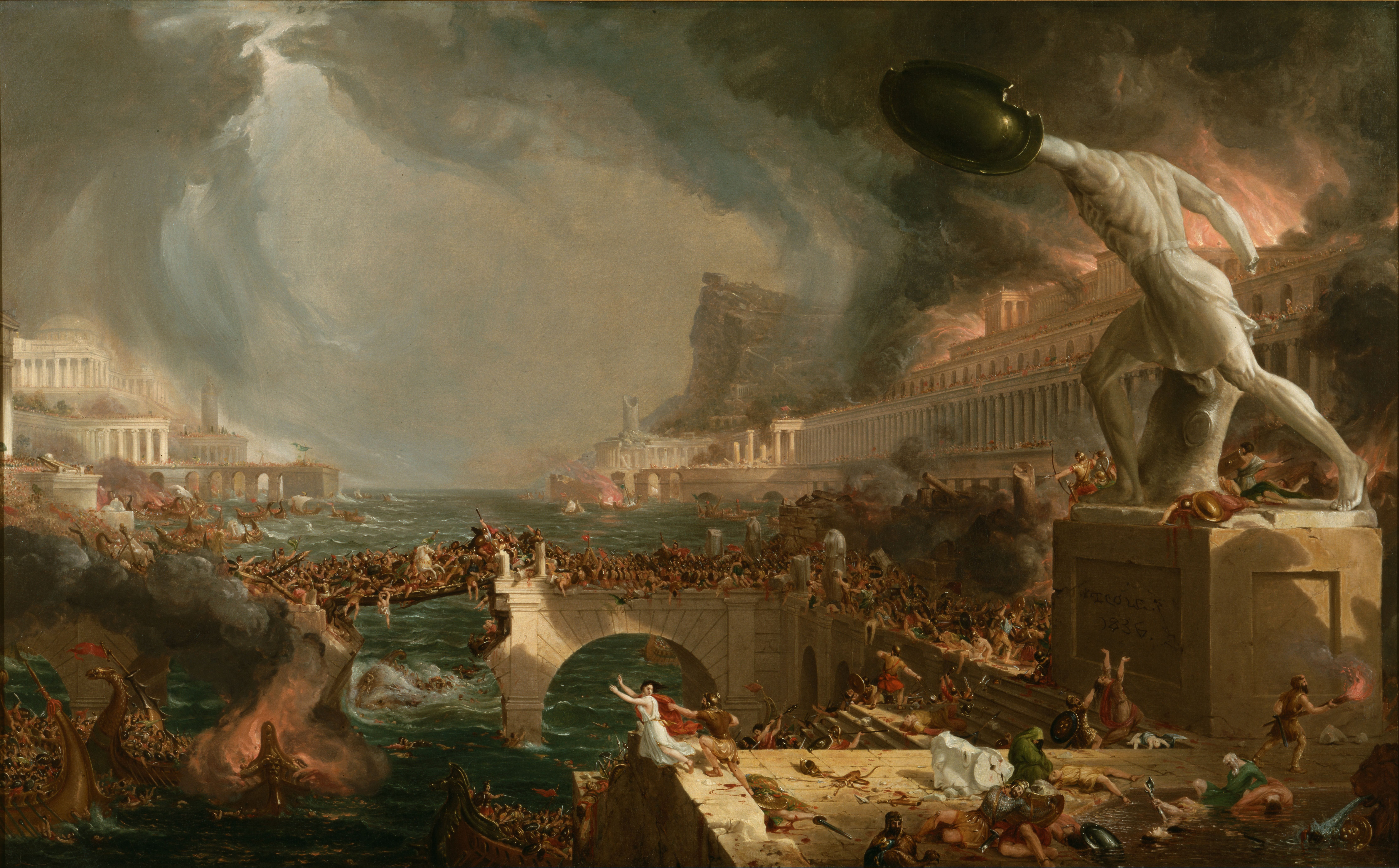
This line describes a deep irony. The culture removes the basis for strong moral conviction, then asks people to behave morally. It teaches that values have no objective grounding, then expects citizens to defend justice. It trains students to distrust strong feelings, then expects them to take courageous stands. Once you deny value, you cannot recover its effects by wishing for them.
Lewis calls the traditional moral framework the Tao. This is the universal human recognition of objective value. It appears across civilizations. It appears in law codes, epics, proverbs, and myths..
If a culture rejects the Tao, then no argument for morality remains. Appeals to reason fail because reason requires premises. Appeals to sentiment fail because sentiment has been dismissed. Appeals to progress fail because progress assumes a direction. Once value is denied, nothing in the moral life can be justified.
This is the collapse the book warns about.
Power Without Wisdom
The later chapters turn to the consequences of value subjectivism. If there is no objective good, then the only standard that remains is will. People will try to impose their preferences by force. Technology becomes a tool for shaping others. Those who control the tools gain power over those who do not.
“What we call Man’s power over Nature turns out to be a power exercised by some men over other men with Nature as its instrument.”
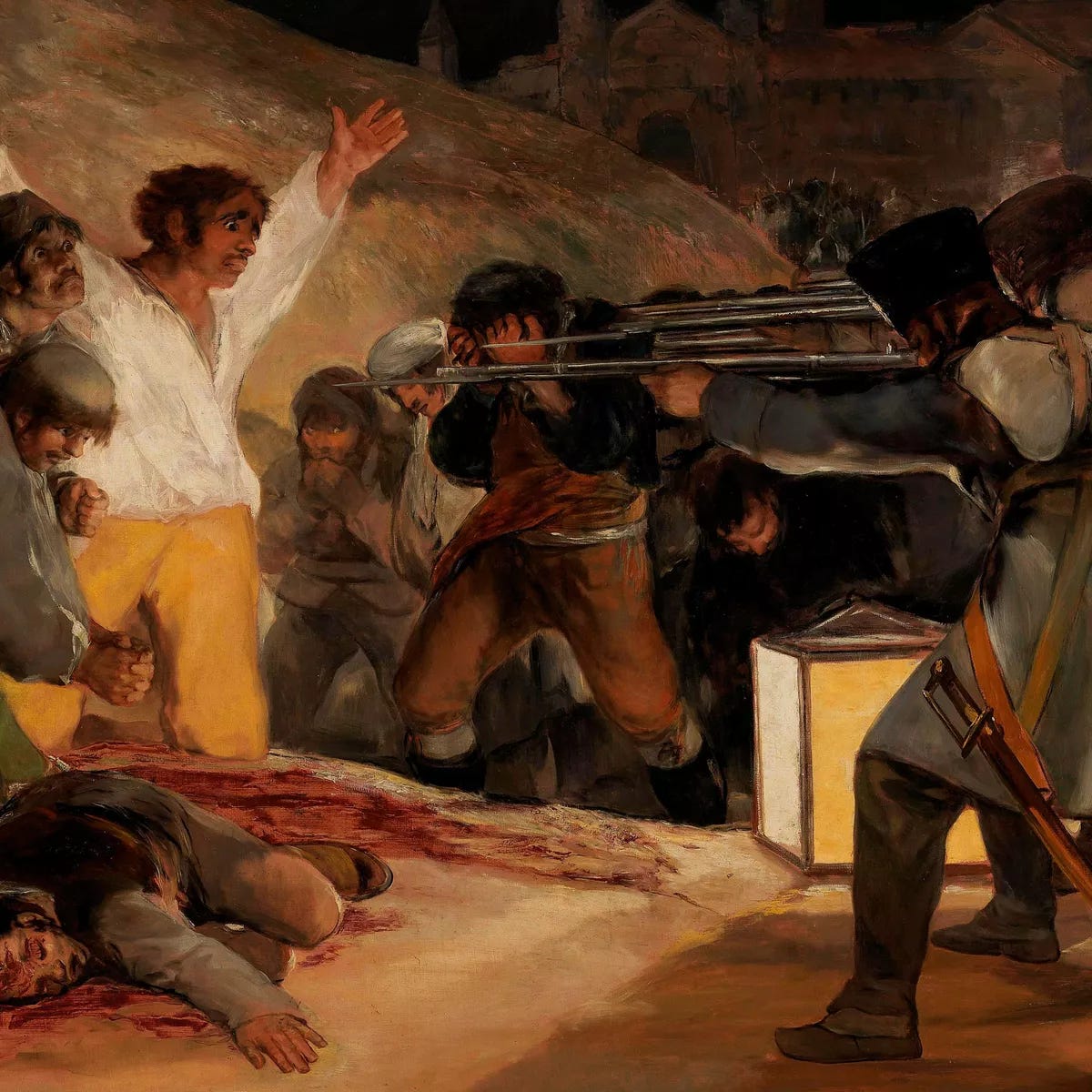
This is the central warning. A society that loses the Tao does not become free. It becomes controlled. When value disappears, manipulation becomes easier. People with influence shape the desires of others. They produce citizens who behave predictably. They guide thoughts through media, schooling, and incentives. They form the interior lives of others while pretending that values are private.
This is the irony at the core of the argument. Those who deny objective value do not escape value. They impose their own preferences with greater force because no standard exists to restrain them.
Power grows. Wisdom fades. The result is a world that can accomplish anything but understand nothing.
The Meaning of Abolition
The title of the book refers to the final consequence of the loss of objective value. When the Tao collapses, the inner core of humanity dissolves. People remain alive. They think. They plan. They build. But something essential disappears. The ability to recognize the objective worth of courage, love, justice, and beauty evaporates. Once that sense is gone, human nature becomes plastic material, ready to be shaped by the strongest wills.
The book expresses the danger in its closing words:
“If Man chooses himself, he will have succeeded in abolishing Man.”
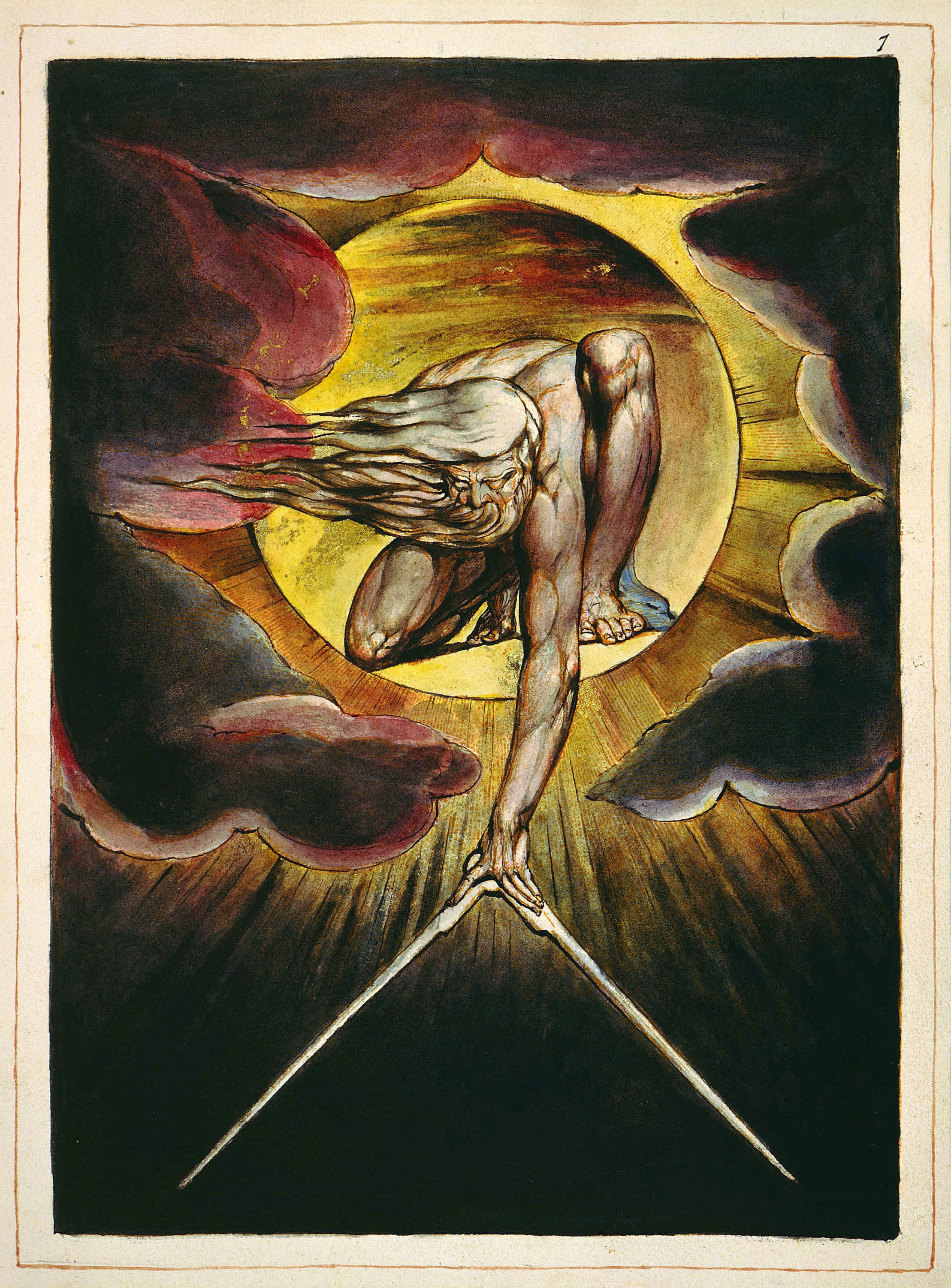
This sounds dramatic, but the point is simple. Humanity depends on the recognition of objective value. Without it, rational judgment collapses. Moral reasoning collapses. Identity collapses. Freedom collapses. People lose the inner compass that guides action. They become products of conditioning.
The book ends with a plea. Recover the Tao. Recognize that some things deserve admiration. Recognize that some actions deserve condemnation. Train the heart to love what is truly good. Teach the young to recognize value, not to dismiss it. This is the only way to preserve human dignity.
Conclusion
The lesson of The Abolition of Man is simple and serious. Humans are shaped by what they honor. If they honor nothing, they become empty. Education that treats value as subjective drains the inner life. It produces clever people who cannot judge rightly. It weakens the instinct for gratitude, courage, and justice. It replaces wisdom with technique.
The book insists that objective value exists. Beauty is real. Courage is real. Justice is real. The human heart should respond to these with fitting emotion. When education trains people to distrust those responses, it cuts the roots of the moral life.
The danger described in the book moves quietly. It shows itself in apathy, cynicism, and moral confusion. The cure is the recovery of value. The recovery of meaning. The recovery of a heart that knows how to see..
If you haven’t read “Christ the Eternal Tao,” by Eastern Orthodox Hieromonk Damascene, you’re in for a treat.
Interesting, but flawed argument, religious in nature (Lewis). Moral relativism has its drawbacks but moral absolutism was much more about conditioning and exercising the will of the few over the many than the doubt that came after. Celebrate not being certain