

What makes a good marriage?
The institution of marriage has seen better days. Culturally speaking, marriage is not valued as it once was, partially because what was once considered a bastion of societal stability has become remarkably unstable.
You don’t need to get into the statistics of divorce to know that most people do not think of marriage as especially important, partially because they do not necessarily think it is good for people.
After all, if marriages usually fail, why try? Why risk that pain?
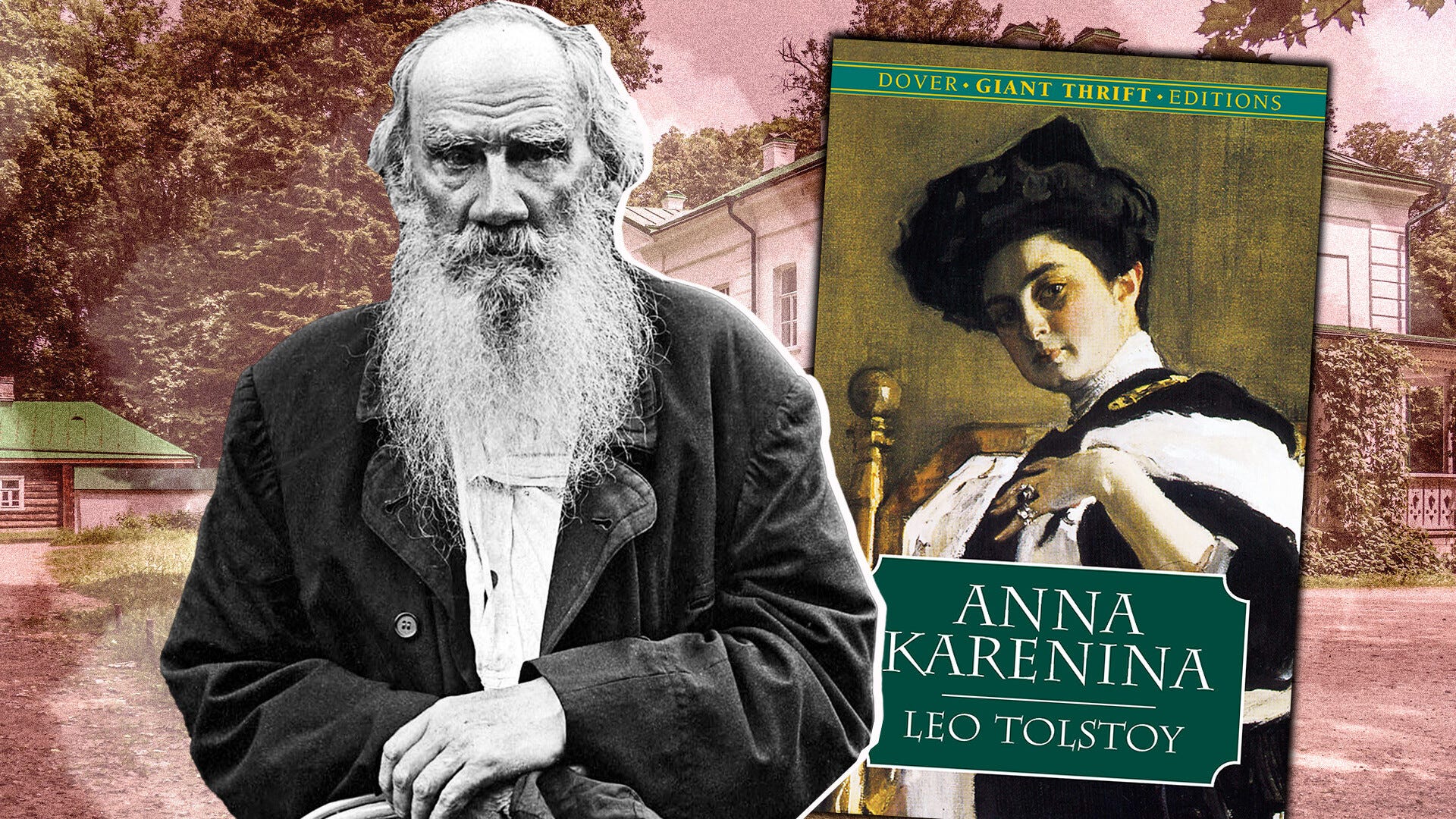
Leo Tolstoy was, himself, concerned with the direction that marriage was taking in society. But rather than run a course or give lectures, he did what novelists do: write a novel. The result was a powerful example of why some marriages fail despite the personal talent of those in it, and why some marriages succeed with remarkably average people in them.
Today, we are going to look at how Tolstoy provided a guide for a good marriage in Anna Karenina, and how it should help us live a better life even if we are not married…
Thank you for being part of our mission! If you’d like to support us and join the book club, please consider a paid subscription. You’ll get:
All live book discussions (biweekly) and recordings
Access to our incredible community of readers
The full library of articles, essays, and podcasts
We are about to start reading Dostoevsky’s Crime and Punishment! The first discussion is on Tuesday, April 28, at noon ET — join us!
The Three Couples of Anna Karenina
Anna Karenina focuses on three couples, all of which attempt some sort of married relationship. The first is the titular couple: Anna Karenina and her husband Alexei Alexandrovich Karenin. Where Anna is a vibrant, talented, beautiful woman, Alexei Alexandrovich is a textbook case of having “married up:” he is boring, sarcastic and passive, even in his relationship with his wife.
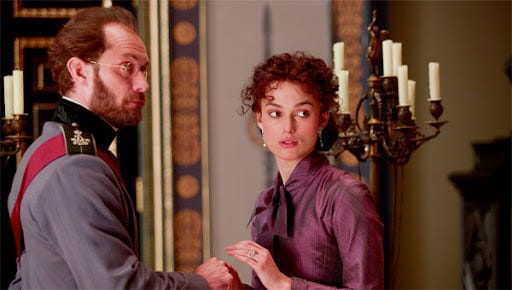
Eventually, Anna and Alexei Alexandrovich’s marriage collapses, as Anna commits adultery with a military officer, Alexei Vronsky, forming the second couple of the novel. Vronsky is everything that Karenin is not: suave, passionate, chivalric, handsome and devoted to Anna. It is easy to see how a woman could fall for him.
The third couple is a pair of friends of Anna and Vronsky’s: Levin and Kitty. Where Anna and Vronsky are dynamic individuals of immense talent, Levin and Kitty are far more ordinary: Kitty is impulsive and immature, Levin is boring and plain. But Levin and Kitty’s marriage succeeds, leading them both to happy lives, while the other two couples fail: Anna and Karenin’s marriage ends in adultery while Anna and Vronsky’s relationship leads to Anna’s personal collapse and, eventually, suicide.
What leads such otherwise powerful people to fail at the fundamental human relationship, while incredibly ordinary people like Levin and Kitty find happiness and security?
Tolstoy’s answer? Virtue.
What Sets Levin and Kitty Apart
One of the most striking things about the different marriages in the novel is the way that, where Anna and Karenin’s marriage fail tests of devotion, Levin and Kitty’s succeeds.
Alexei Karenin is, to put it bluntly, not a very virtuous man. He emotionally neglects Anna, and fails to support her or lead her. When Anna expresses emotion, Karenin struggles to open up to her because he prefers to avoid his own emotions. And, even more importantly, when Anna tells Karenin that she is worried about where her friendship with Vronsky is going, Karenin refuses to do anything about it, saying that he considers jealousy to be beneath him. Karenin takes his beautiful, talented, extraordinary wife for granted, and she feels it.
When portrayed against this backdrop, it is tragically unsurprising that Anna gradually falls for a man who is dashing, emotionally available and really interested in winning her heart. Tolstoy does not let Anna off the hook for her own bad decisions; she ends up suffering greatly for her sins. But Tolstoy is also willing to take a hard look at the ways that Karenin’s own failures led to the breakdown of his marriage. Karenin was not willing to fight for Anna; he was not even willing to get uncomfortable. And Anna could tell.
This is contrasted quite clearly in an episode from Kitty and Levin’s marriage. Kitty and Levin are hosting a group of friends for a hunting trip when one of the friends, a very eligible bachelor named Vasily Veslovsky, begins flirting with Kitty. Everyone sees it; one of Levin’s friends even considers it a compliment!
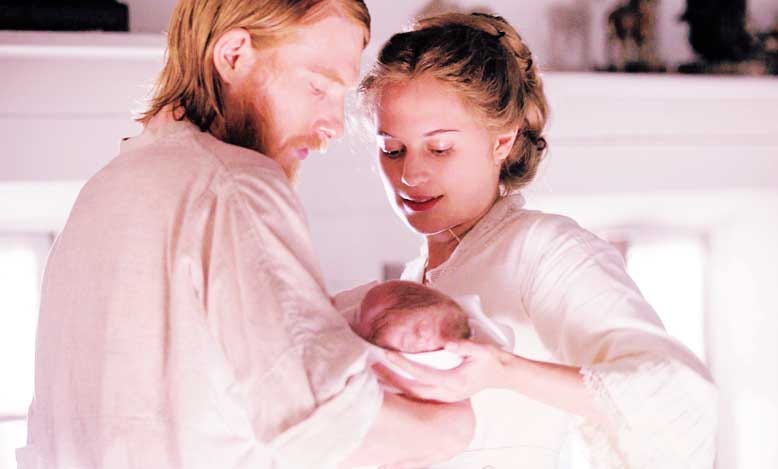
But Levin struggles over what to do. He is not confrontational by nature; he worries that he might be overreacting. But he cannot bear to see Kitty pursued by any other man. And he knows that to allow it to continue would put his marriage at risk. Finally, Levin pours out his heart to Kitty then goes to confront her would-be suitor. Tolstoy does not tell us the details of that confrontation, but what he does tell us is illustrative: Vasily leaves quickly, never to be heard from again.
Where Alexei failed, Levin succeeded. Where Alexei shunned conflict, Levin struggled through it. Where Alexei failed to open up to Anna, Levin was willing to pour his heart out to his wife.
In these episodes, Levin did not need to be suave, impressive, talented or smart. In fact, throughout the whole book it is made pretty obvious that Levin is a bit ridiculous by personality, and that he, like Karenin, has “married up” regarding the beauty and charisma of his wife. But it does not take talent or charisma to have a good marriage. It takes virtue. When Levin is willing to be emotionally available and socially courageous, it saves his marriage at the precise pressure point where Anna and Karenin’s marriage collapses.
Unfortunately, that is not the only way that Anna’s life will be ruined by her own lack of virtue.
The Self-Destructive Sins of Anna and Vronsky
Remember that Anna and Vronsky are remarkably talented people. And when they set off to create their life together, it seems like they have everything going for them. While, legally, they cannot get married, Anna and Vronsky surround themselves with sympathetic friends who will call their relationship a marriage. They refer to each other, and others refer to them, as husband and wife. And they travel, meet important celebrities, and live a life of comfort and wealth.
What is not to like?
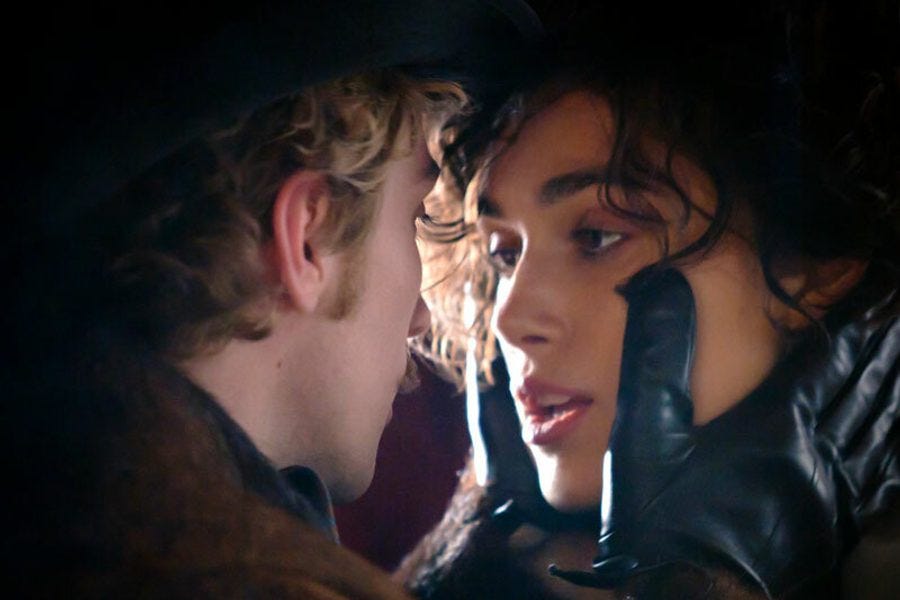
But it does not save Anna and Vronsky. While the exterior of their life is perfect, Anna and Vronsky do not have the vital thing for any healthy marriage: trust.
Their relationship gradually takes a toll on both of them, and Anna discovers to her terror that she does not trust Vronsky not to do to her what she did to Karenin. Every trip, every woman they meet, gradually becomes a source of suspicion to Anna. Where she was originally self-possessed, sure of herself and incredibly beautiful, Anna becomes nervous, insecure and harried.
Tragically, it comes to head when Anna commits suicide. It did not have to be this way; Anna is, by far, the most impressive character in the whole book, and a worthy titular character. But sin is self-destructive, and Anna’s sin has destroyed her.
What We Can Learn About Life and Marriage From Anna Karenina
Put it all together, and Tolstoy’s novel provides a powerful moral tale that give two important lessons that apply to life in general and marriage especially:
Virtue is more important than talent. Levin and Kitty are boring and ridiculous, but their virtue allows them to be happy. Karenin, Vronsky and Anna all have immense personal talents, but their vice creates misery for them.
Vice is self-destructive. It really seems like things should go well for Anna and Vronsky once they have left Karenin to pick up the pieces. They have everything going for them. But the fundamental truth about their relationship is actually a lie: they are not married, and their relationship has no trust. It eventually leads to the personal destruction of both.
When you read this novel, it is easy to get lost in the intrigue, romance and drama of it all. But in the end, do not forget to take the lessons Tolstoy wanted you to learn, lest you fall from being a Levin or Kitty to become a Vronsky, Karenin, or even an Anna Karenina.
Thank you for reading!
We are starting Dostoevsky’s Crime and Punishment next week in our book club — now is a great time to join if you’ve been considering it.
The first group discussion is on Tuesday, April 28, at noon ET (will be recorded in case you can’t make the live session). See you very soon!
You forgot the 4th married couple in the book: Dolly & Stiva Oblonsky. Stiva cheats on Dolly (with the governess, if I remember it correctly), yet they manage to keep their marriage together.
Powerful and penetrating analysis! It’s been a few years since reading it, but I also remember a considerable amount of character change in Levin through out the book; difficult self examination, repentance rather than mere regret. Definitely a book to re-read! Thank you!