


Hello friends,
Thanks for joining our second discussion on Moby-Dick! You can watch it back here if you missed it.
Our next discussion (November 10) will cover chapters 87–conclusion. As we continue reading, here is this week’s breakdown of our key ideas and questions…
The last time we saw Ahab, he was in conversation with a severed whale head, demanding that it reveal to him the secrets of the deep. To no one’s surprise, the whale head did not answer Ahab. Surprisingly, however, we’ll find in this week’s reading that the abyss actually does speak to a member of the Pequod — but not Ahab.
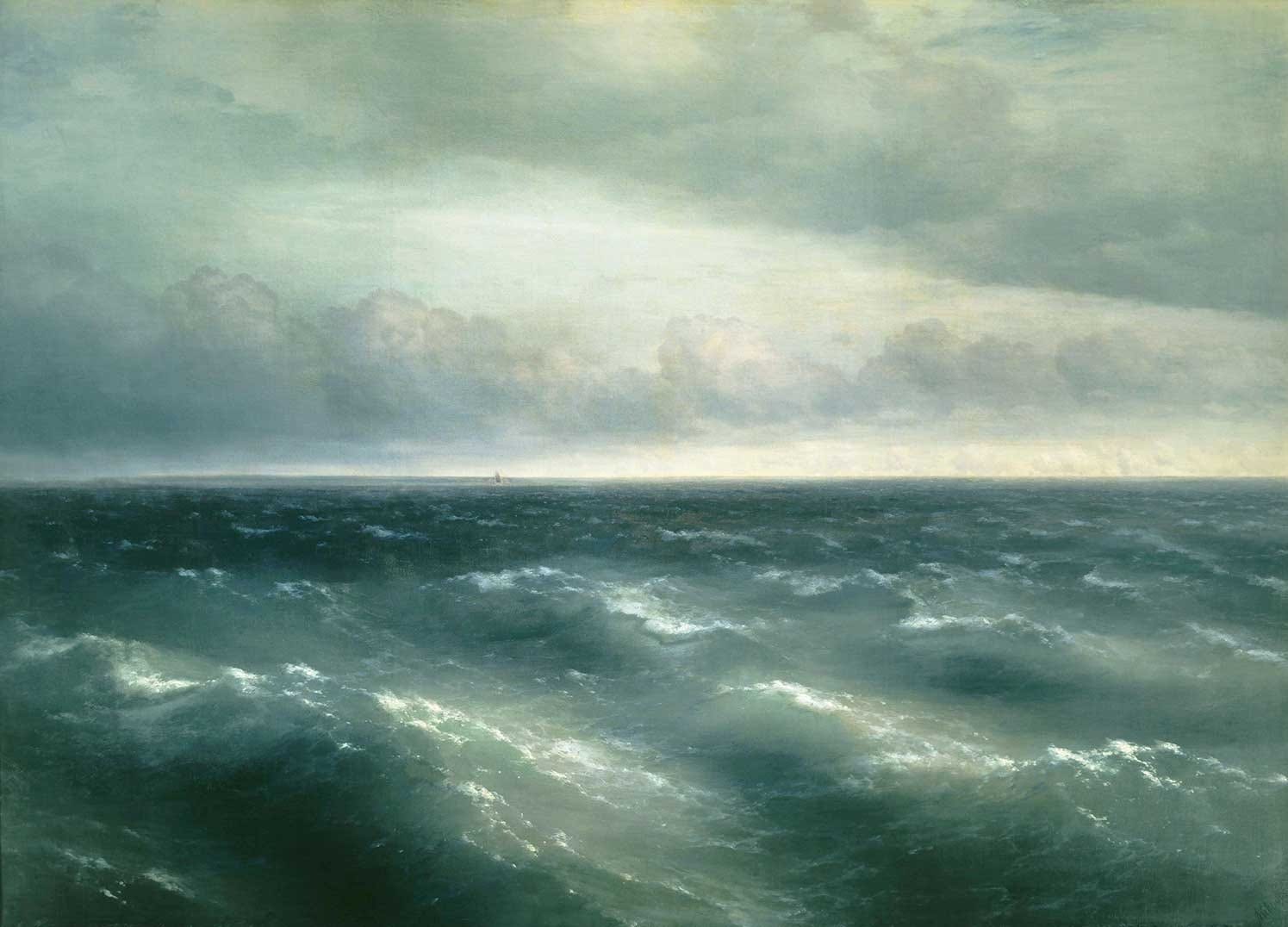
Chapter 93 follows Pip, the Pequod’s young cabin boy. He leaps into the ocean during a whale hunt, but is lost and left floating in the open ocean. Eventually, the crew rescues him, only to discover that Pip is now a changed man.
Melville tells us that Pip was “carried down alive to wondrous depths,” where “the miser-merman, Wisdom, revealed his hoarded heaps.” In other words, Pip reportedly saw the secrets of the deep that Ahab himself has long been seeking. But what did they reveal to him?
Melville explains:
Pip saw the multitudinous, God-omnipresent, coral insects, that out of the firmament of the waters heaved the colossal orbs. He saw God’s foot upon the treadle of the loom, and spoke it; and therefore his shipmates called him mad.
So man’s insanity is heaven’s sense…
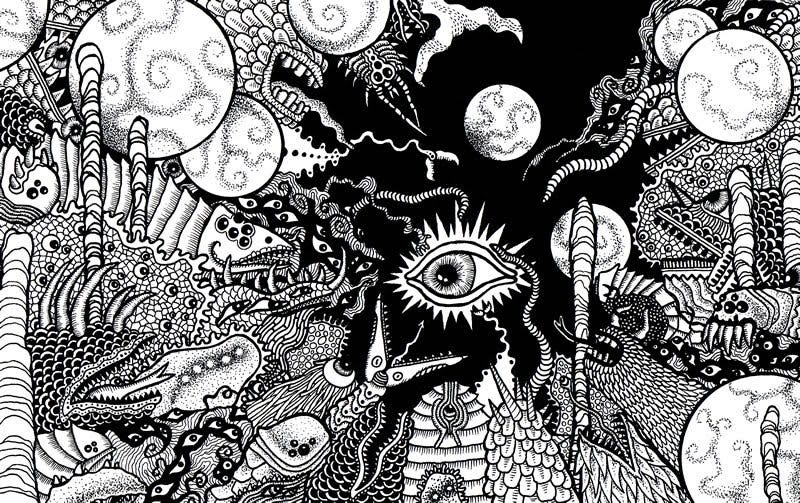
Pip appears insane to his crew, and yet Melville suggests that Pip’s experience may have genuinely been transcendental, and thus defied prosaic language and rational comprehension.
Notice the distinction between Ahab and Pip. Ahab, in his monomaniacal pride, demands knowledge of things unseen and is met with silence. Pip is but a humble and simple-minded cabin boy, with no intellectual pretensions and a spirited love of life. As such, his soul seems receptive to reality in a way Ahab’s is not, and thus is granted a vision where Ahab is met with silence.
Keep this dichotomy in mind as we progress into the final stages of the Pequod’s great hunt for Moby Dick.
Some questions/ideas to ponder this week:
Ponder the receptive nature of Pip’s demeanor. Why was his spiritual nature open towards learning the secrets of the deep, while Ahab’s was not? What does this suggest about man’s spiritual capacity and its relationship to knowledge? Is wisdom more than a merely intellectual/rational process?
Conversely, consider the role of fate and chance in Pip’s experience. Many of these characters — including Ahab — feel as if they do not have free will or control over their lives. Does Pip’s experience seem like a mere accident, or a product of fate, or did his agency play a role in discovering the secrets of the deep?
Last, remember that Melville intentionally plays with ambiguity and tension in this novel. A devil’s advocate might argue that Pip saw nothing and merely went insane. By extension, this may suggest there are no “secrets of the deep” to be found, nor any actual meaning behind the Pequod’s grand voyage. Thus far, do you see a deeper design/reality beneath the novel, or is the silence that haunts Ahab the ultimate meaning of this novel’s universe — a silent, unfeeling void with no higher explanation?
Please share your thoughts below or in the subscriber chat, along with any questions you have. We’ll incorporate them into next week’s discussion.
Happy reading!
Next discussion is on November 10 — please join us!
You can catch up on the previous sessions here if you missed them.
Read Moby-Dick as a member of our group and you’ll get:
Live book club discussions (biweekly) and recordings
Weekly reading guides and regular essays to guide you along
Access to our incredible community of readers
The entire library of articles, essays, and podcasts
Perhaps the silence that Ahab meets with is a version of God’s chastisement of Job. When Job wants to understand God’s seemingly arbitrarily cruel ways, God is effectively silent in responding to these questions, speaking to Job only to reinforce that Job has no right to the answers (or perhaps no capacity for them).
“Can you pull in Leviathan with a fishhook or tie down its tongue with a rope? Can you put a cord through its nose or pierce its jaw with a hook?… Can you fill its hide with harpoons or its head with fishing spears?”
Job, holy as he is, responds with ‘No’, while Ahab responds effectively with ‘…Absolutely!’ Job and Pip demonstrate their capacity for divine vision when they recognize their own smallness and inconsequence; Ahab’s pride demonstrates his blindness to ultimate reality, and thus he does not have the eyes to see that which he demands to be shown.