

Hello book club!
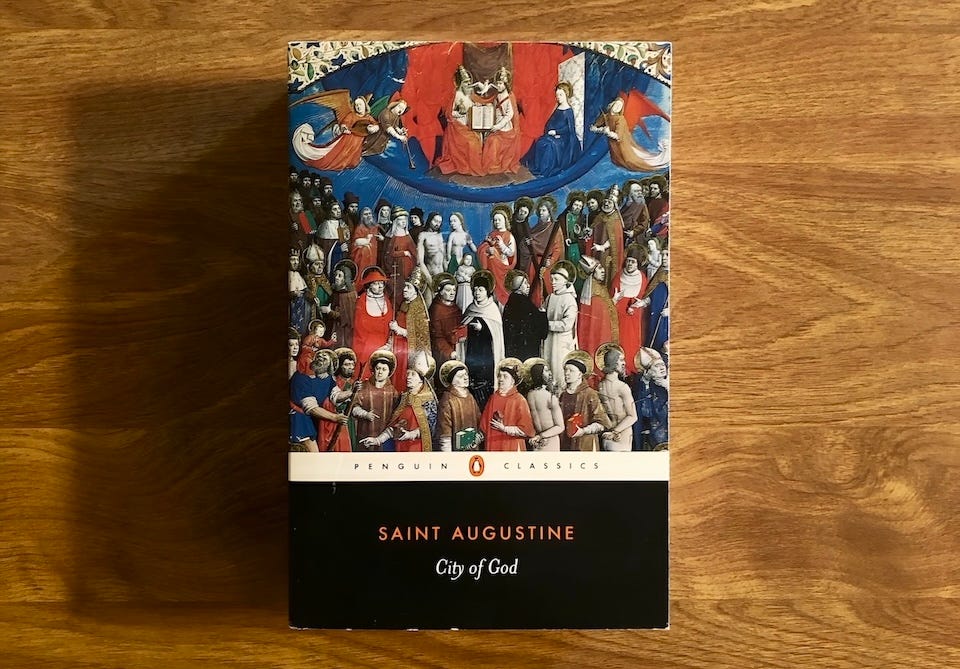
Thank you for joining our first session on Augustine’s City of God. As always, a fantastic discussion — if you missed it, make sure to watch the recording here.
This week’s discussion thread focuses on Book 19. Below is a breakdown of the most important ideas and questions to consider as we continue reading…
Our next discussion is on September 29, at noon ET.
Don’t miss it!
Join our reading group by taking out a paid membership below. You’ll receive all the Zoom links and will be able to take part directly:
As a member, you’ll get:
Live book club discussions (biweekly) and recordings
Access to our incredible community of readers
Regular essays to guide you through the books we’re reading
The entire library of articles, essays, and podcasts
Recall that Books 11-14 emphasize the fall of angels, the fall of Man, and the origin of the two cities: the City of God and the City of Man. Allegiance to each city is predicated upon what man loves most: either God or things of the world.
Books 15-18, which are beyond the scope of our introductory read, focus on tracking the development of the two cities throughout Biblical history. Thus, as we fast forward to Book 19, Augustine looks forward to the “end of time.” He’s now concerned with asking what are the ultimate destinies of these two cities?
The primary question of Book 19 is this: “what is the highest good, and what does it mean to pursue it as a citizen of both an earthly and heavenly city at once?”
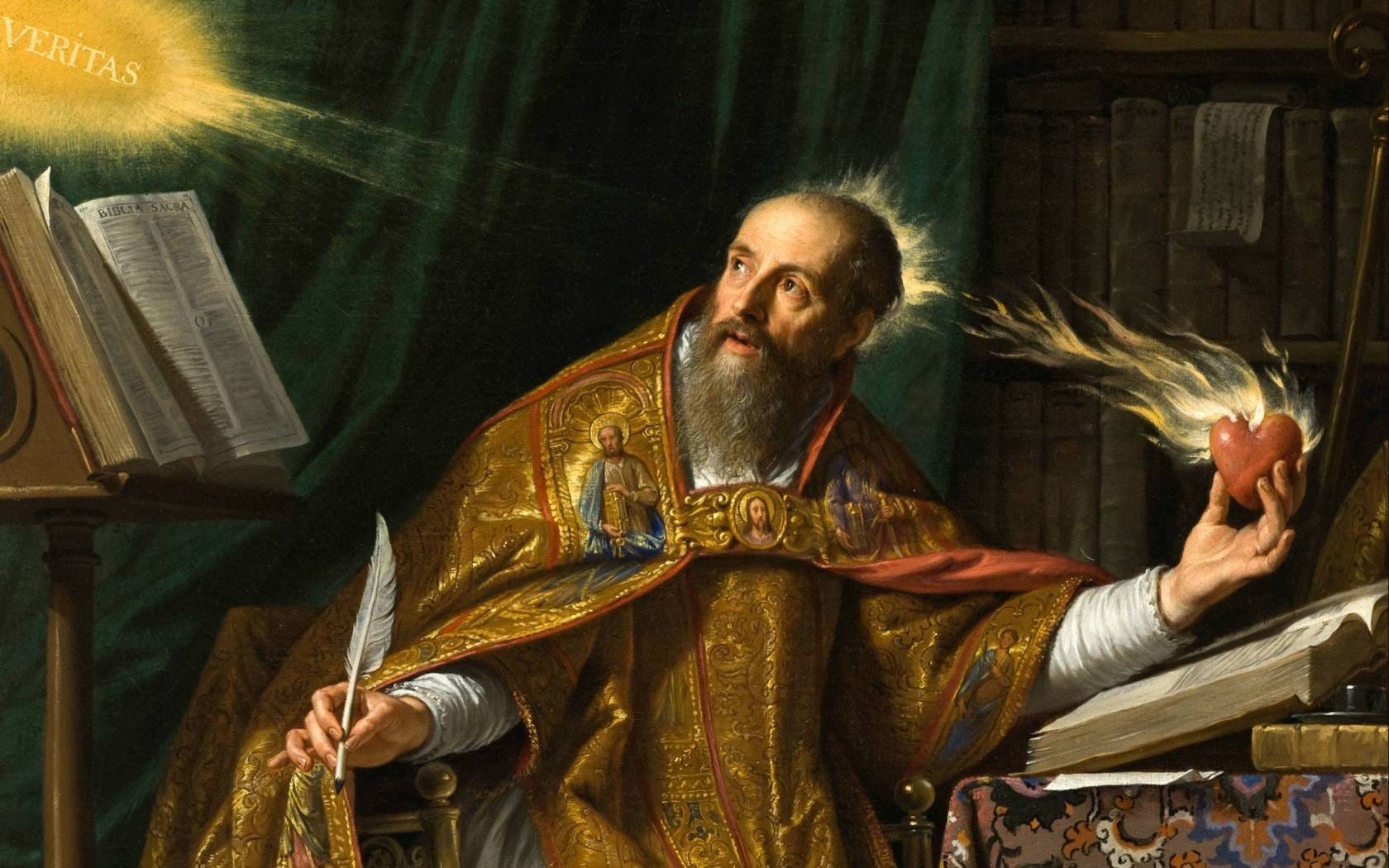
In other words, Augustine’s question is both idealistic and pragmatic — recognizing that though man is made for heavenly glory, he must navigate a fallen and chaotic world filled with suffering, vice, and corruption.
In search of the highest good, or “summum bonum,” Augustine first draws on the philosophers. He cites Varro, noting that though the ancient schools of philosophy give hundreds of possible positions on the summum bonum, all of them are flawed because they make the same fundamental error: