

A History of Man and the Meaning of Christianity
G. K. Chesterton’s The Everlasting Man
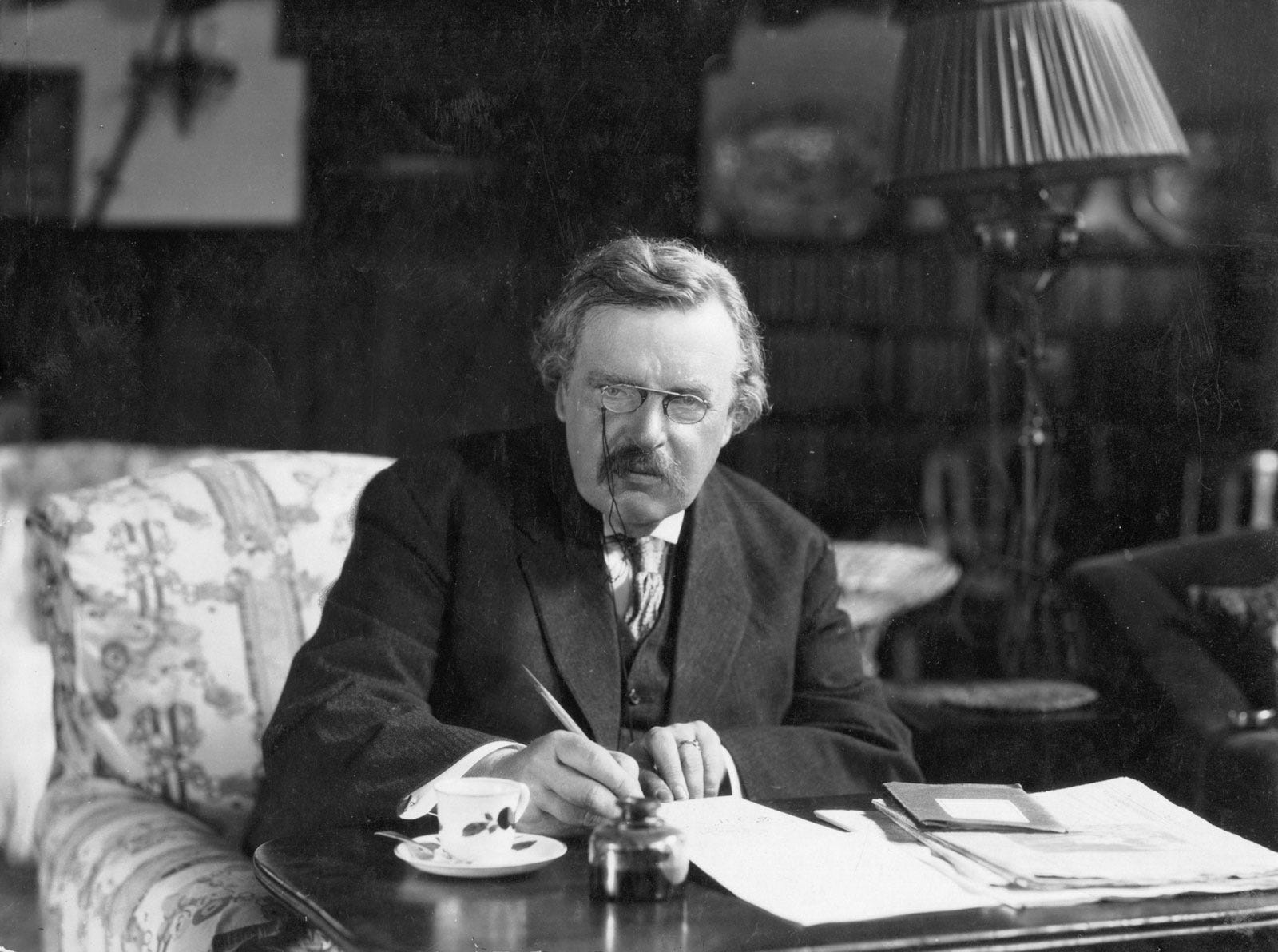
When G. K. Chesterton published The Everlasting Man in 1925, he was writing into a culture that felt unusually confident about its own explanations of the world. Scientific discovery had reshaped how people understood nature, history, and human origins. Industrial society had altered daily life so rapidly that older traditions seemed distant and fragile. Many educated readers assumed that religion belonged to an earlier stage of development, useful once but now superseded by more mature forms of knowledge.
Chesterton did not share this confidence. He did not think modern explanations were false, but he believed they were incomplete. He sensed that something essential about human beings remained unaccounted for, something visible across history and culture that resisted being reduced to economics, biology, or psychology. The Everlasting Man grew out of that intuition.
Rather than defending Christianity directly, Chesterton chose a wider frame. He began with man himself, and he traced the long arc of human history before turning to Christ..
Don’t forget to join our FREE book club!
We started a digital book club to study the great texts of Western Civilization — from Dante to Dostoevsky — together. Inside, you’ll get:
Live community book discussions (bi-weekly)
New, deep-dive literature essays every week
The entire archive of book reviews + our 100 great texts reading list
Our first discussion on The Everlasting Man by G. K. Chesterton takes place on January 6 at 12pm ET. Bring your thoughts, questions, and your favorite passages!
Sign up below to attend — all paid members can join the live discussion up on stage…
Note: paid subscribers via Substack will automatically receive an access link for the live calls.
Why Chesterton Starts With Man
Chesterton understood that arguments about religion often stall because they begin too late. They start with belief systems already labeled, categorized, and contested, rather than with the deeper question of what kind of being holds beliefs at all. By beginning with man, Chesterton shifts attention away from abstraction and toward lived reality.
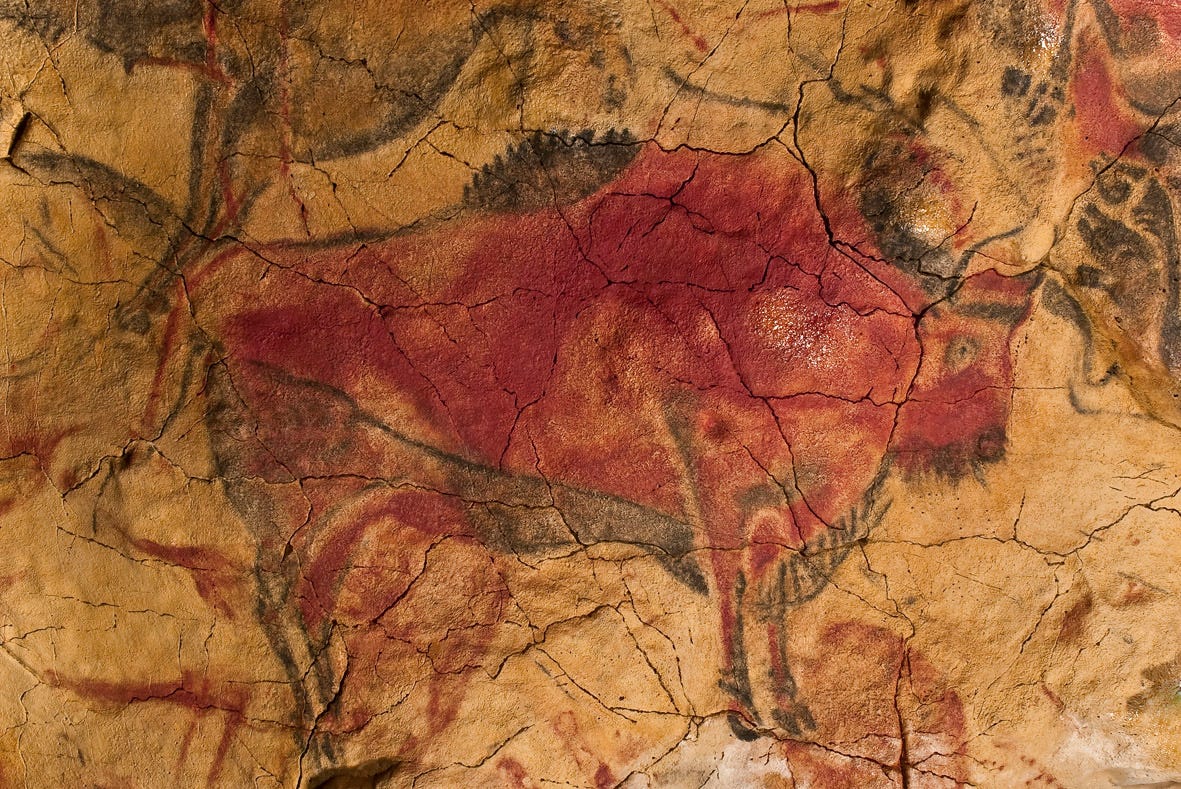
Human beings appear in history as creators before they appear as thinkers. Long before formal philosophy, people painted animals on cave walls, buried their dead with care, and marked places as sacred. These actions reveal a mind that does more than react to its environment. They reveal a creature capable of symbol, memory, and meaning.
Chesterton treats this evidence seriously. He does not see prehistoric man as a crude precursor awaiting enlightenment, but as a being already oriented toward transcendence. The tools and rituals left behind suggest intention rather than accident, and imagination rather than mere survival instinct. This matters because it establishes religion as something native to humanity rather than imposed from outside.
If religion appears at the very beginning of human culture, then any account of humanity that treats it as a late error or cultural byproduct fails to explain the whole phenomenon. Chesterton’s project rests on this insight.
Prehistoric Humanity and the Birth of Meaning
The earliest traces of human life already show concern for beauty and ritual. Cave paintings do not make hunting more efficient, yet they appear with striking care and skill. Burial practices honor the dead in ways that exceed practical necessity. These acts suggest that early humans experienced the world as charged with significance.
Chesterton argues that such behavior points toward a fundamental orientation of the human mind. People do not simply inhabit the world. They interpret it. They assign meaning to objects, places, and events. This interpretive impulse lies at the root of religion, art, and moral thought.
Importantly, Chesterton does not claim that early humans possessed refined theology. He claims something simpler and deeper. From the beginning, humans acted as though life mattered beyond immediate function, as though existence carried weight and demanded response. As he puts it, “Religion is not the church a man goes to, but the cosmos he lives in.”
This insight undermines purely material accounts of human development. Intelligence alone does not explain ritual. Survival alone does not explain art. Something else presses itself into human consciousness, demanding expression.
Man as Artist, Symbol Maker, and Worshipper
Chesterton places special emphasis on art because art reveals the inner life of a culture without explanation. A painted handprint or carved figure tells us that someone felt compelled to leave a mark, to say something lasting about presence and identity.
Animals use tools efficiently. Humans decorate them. Animals react to danger. Humans turn danger into story. This difference signals a shift from function to meaning.
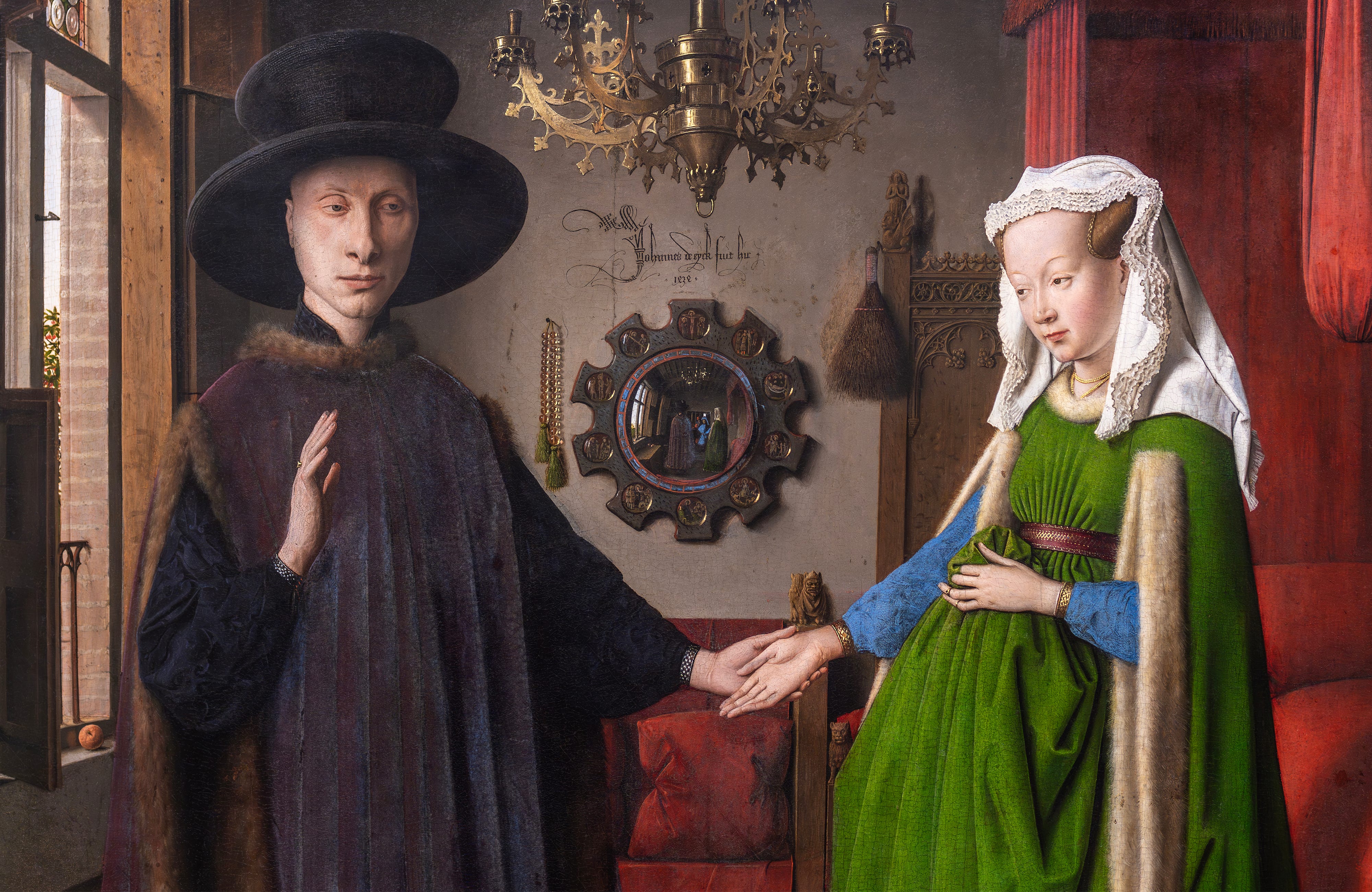
Worship follows naturally from this symbolic impulse. Ritual organizes fear, gratitude, and hope into shared form. It gives structure to experiences that otherwise overwhelm. Chesterton sees worship as a reasonable response to mystery.
In this light, religion appears less as an obstacle to rational thought and more as a companion to it, arising from the same capacity for reflection and imagination that later produces philosophy and science.
Pagan Civilization and Human Aspiration
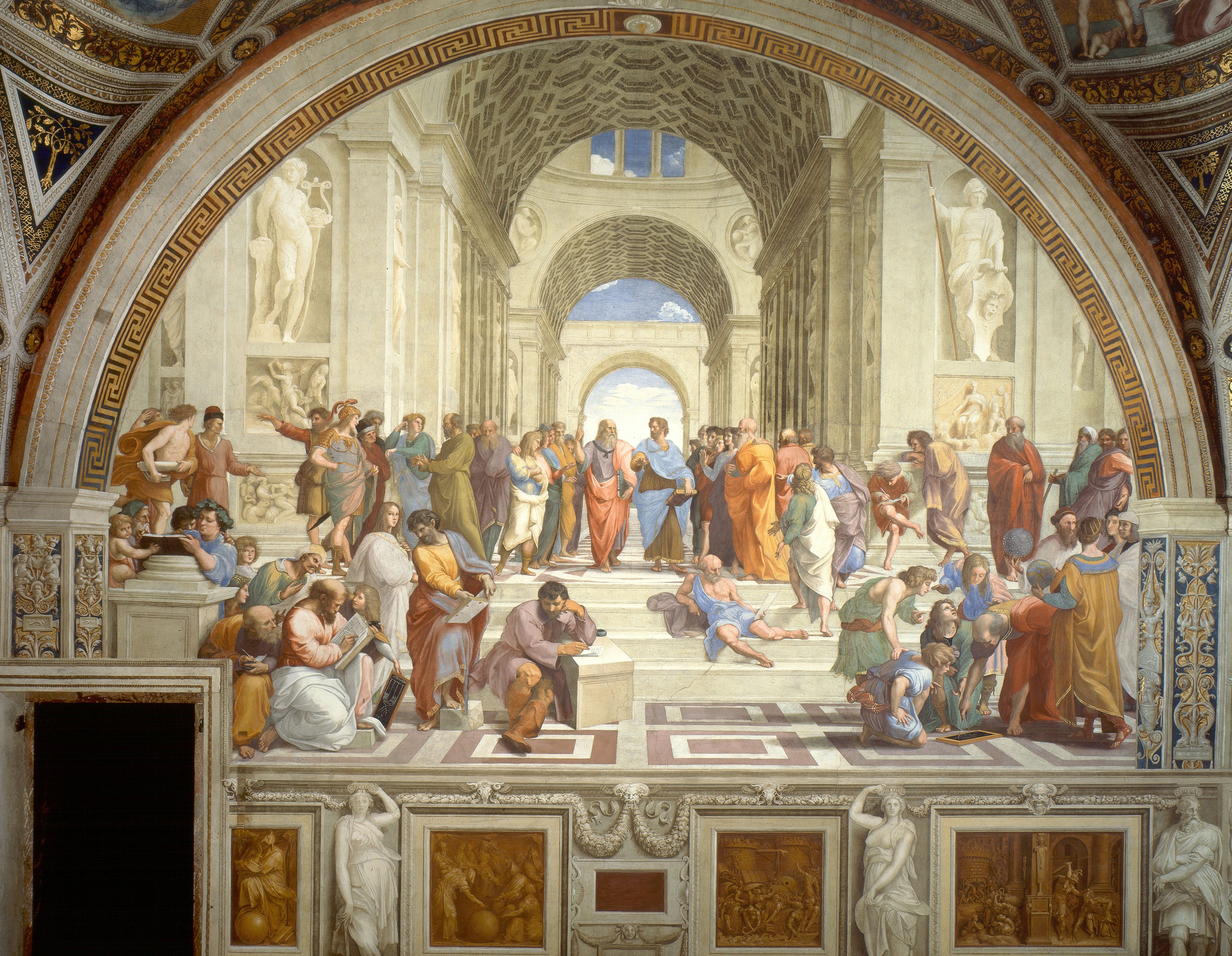
As Chesterton moves from prehistory into the ancient world, his tone remains respectful. Pagan civilizations, particularly those of Greece and Rome, display remarkable intellectual and artistic achievement. Their myths, philosophies, and civic structures reveal deep engagement with questions of fate, virtue, beauty, and order.
Greek philosophy, in particular, receives careful treatment. Thinkers like Plato and Aristotle pursued truth through disciplined reason, shaping concepts that still structure Western thought. Their work reflects confidence in the human mind and its ability to grasp universal principles.
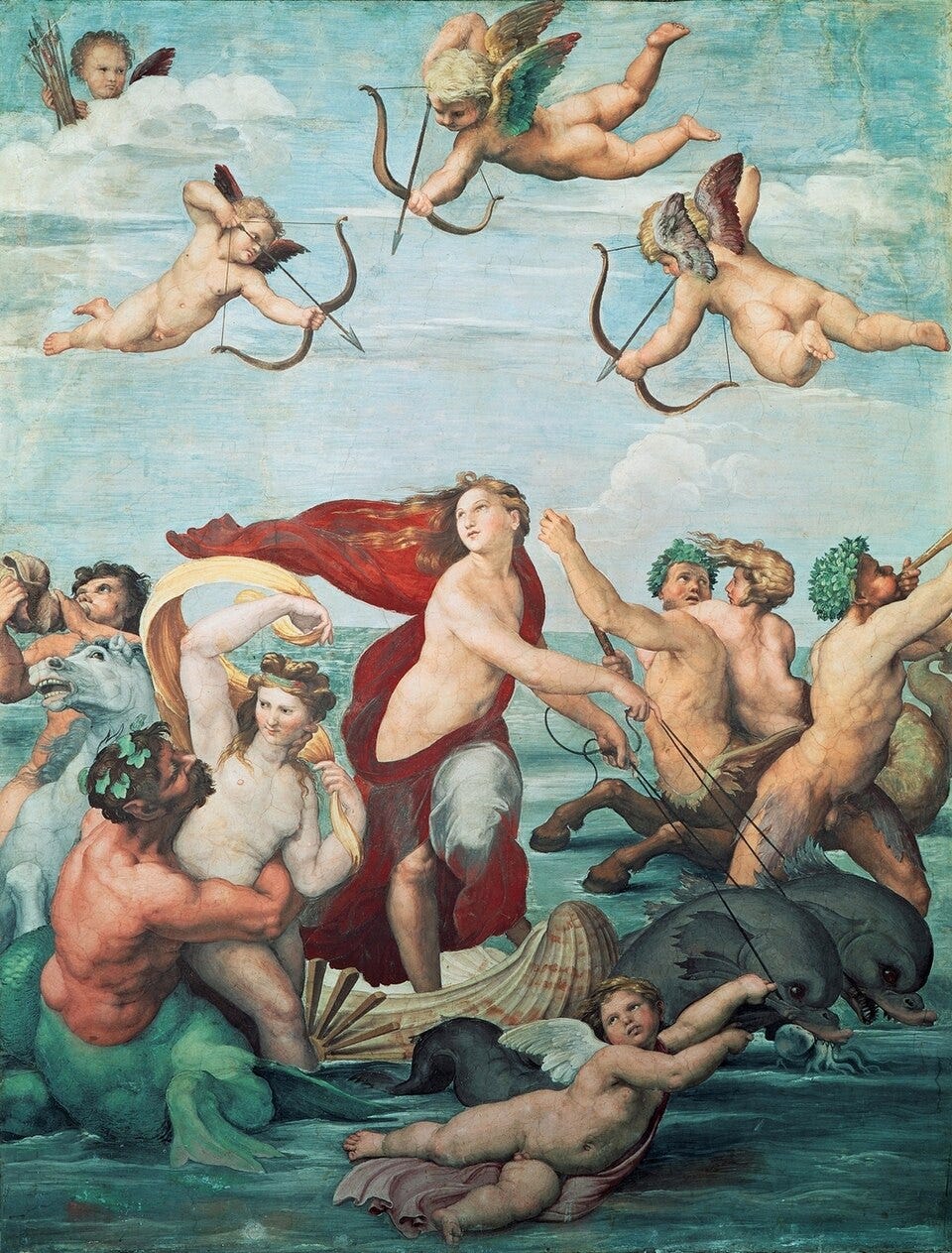
Pagan religion, meanwhile, expressed human longing through mythic narrative. Gods embodied forces of nature and aspects of human character. Stories explained the rhythms of life, death, and renewal. Sacrifice and festival bound communities together.
Chesterton recognizes the nobility of this world. Paganism was not trivial. It represented humanity reaching upward with seriousness and creativity.
The Limits of Paganism
Despite this admiration, Chesterton identifies limits that pagan civilization could not overcome. Myth and philosophy reached impressive heights, but they left certain questions unresolved.
Pagan gods resembled humans magnified rather than transformed. They possessed power but lacked moral authority. They inspired fear and admiration without offering redemption. Suffering appeared as fate rather than as something imbued with meaning.
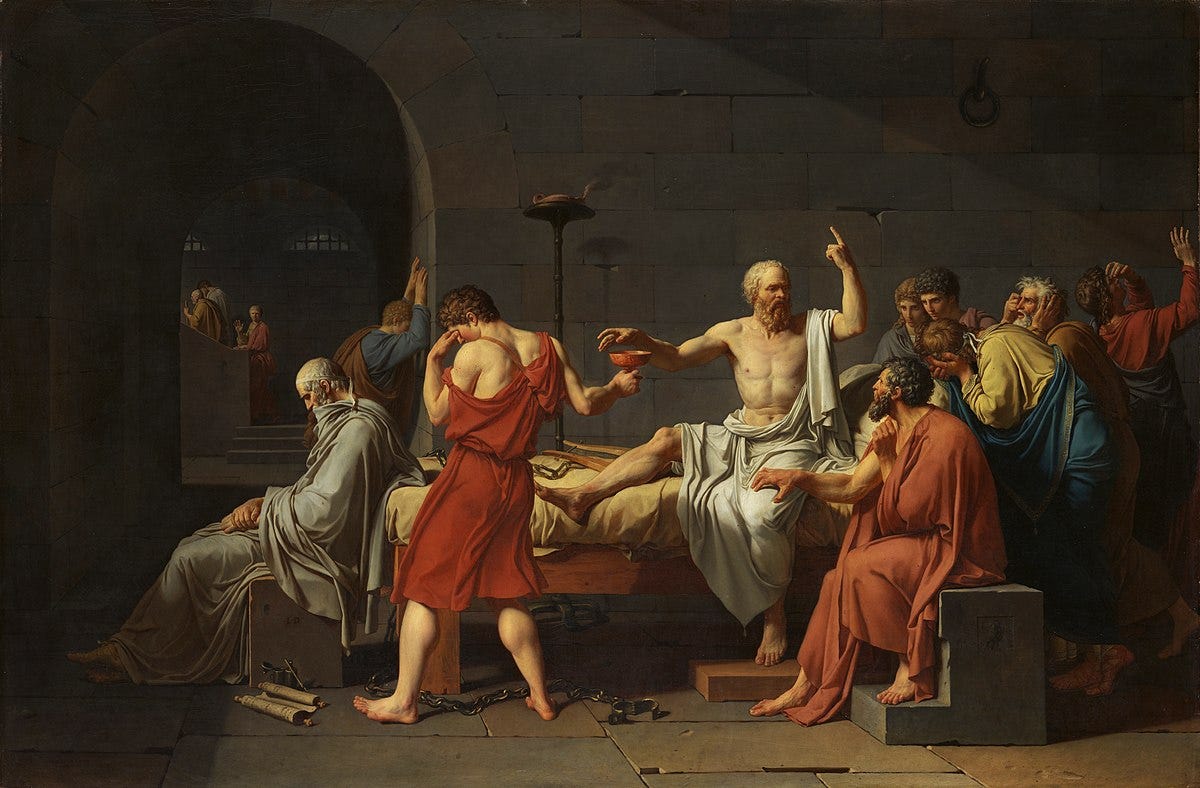
Philosophy clarified ethical ideas but remained largely confined to elites. Its conclusions rarely reshaped daily moral life for ordinary people. Reason illuminated questions without always guiding action.
Chesterton does not treat these limits as failures. He treats them as boundaries, marking the edge of what human effort could achieve on its own.
Myth as Expectation
Chesterton’s love of myth plays a crucial role in the book. He treats myths as expressions of deep human intuition. Across cultures, myths repeat certain patterns: sacrifice, rebirth, divine intervention, deliverance.
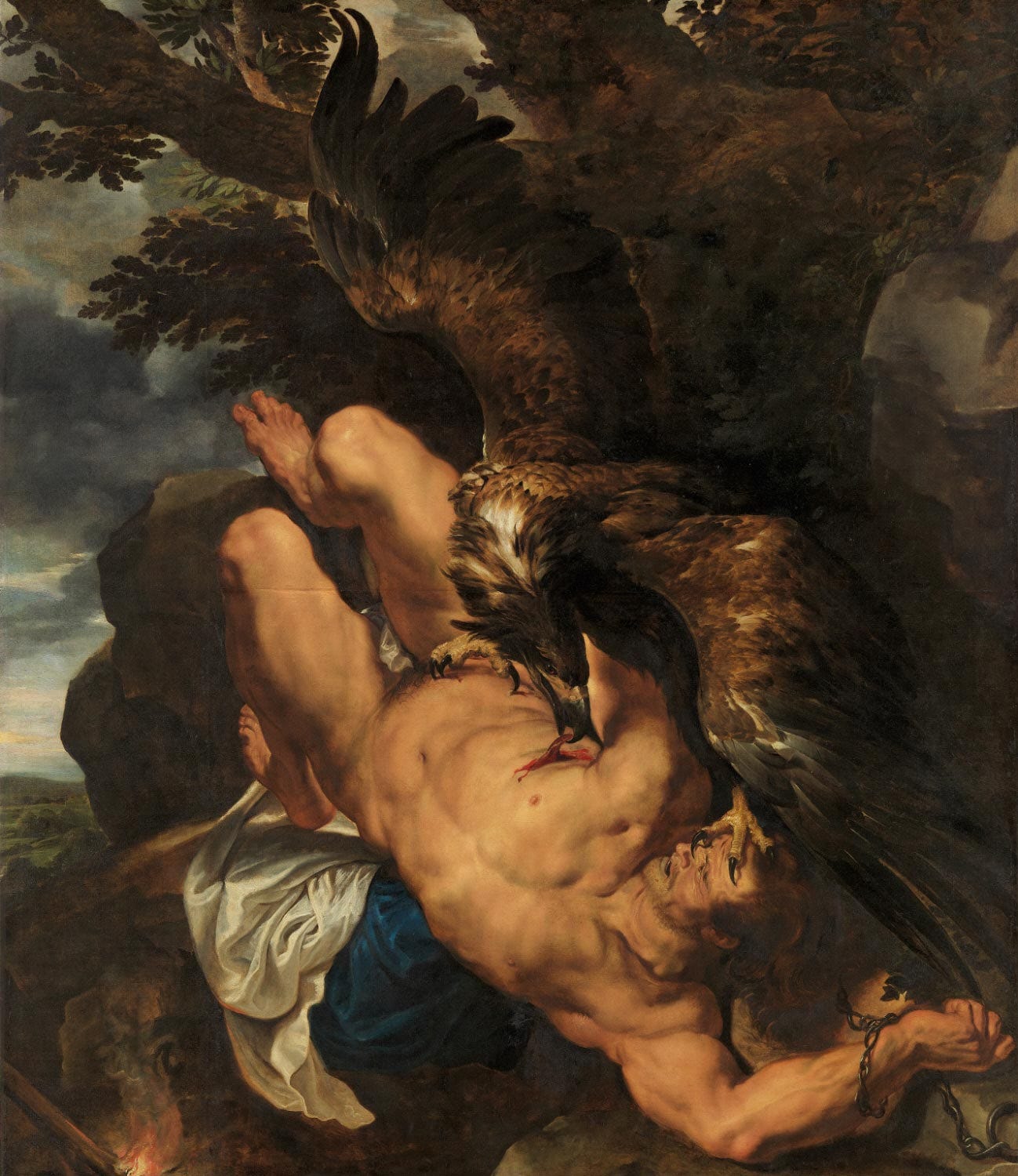
These recurring motifs suggest shared expectations rather than shared invention. Human imagination circles the same themes because it responds to the same questions.
Chesterton argues that myth prepares the imagination for history. It creates a framework of meaning into which a real event could fit. Myth trains the mind to recognize significance.
The Entrance of Christ Into History
When Christ appears in the narrative, the tone shifts sharply. Chesterton wants the reader to feel this difference. Christianity enters history suddenly and concretely.
Christ appears in a specific place and time, within the political and religious tension of Roman-occupied Judea. The setting matters because it anchors the story in recordable fact rather than symbolic time.
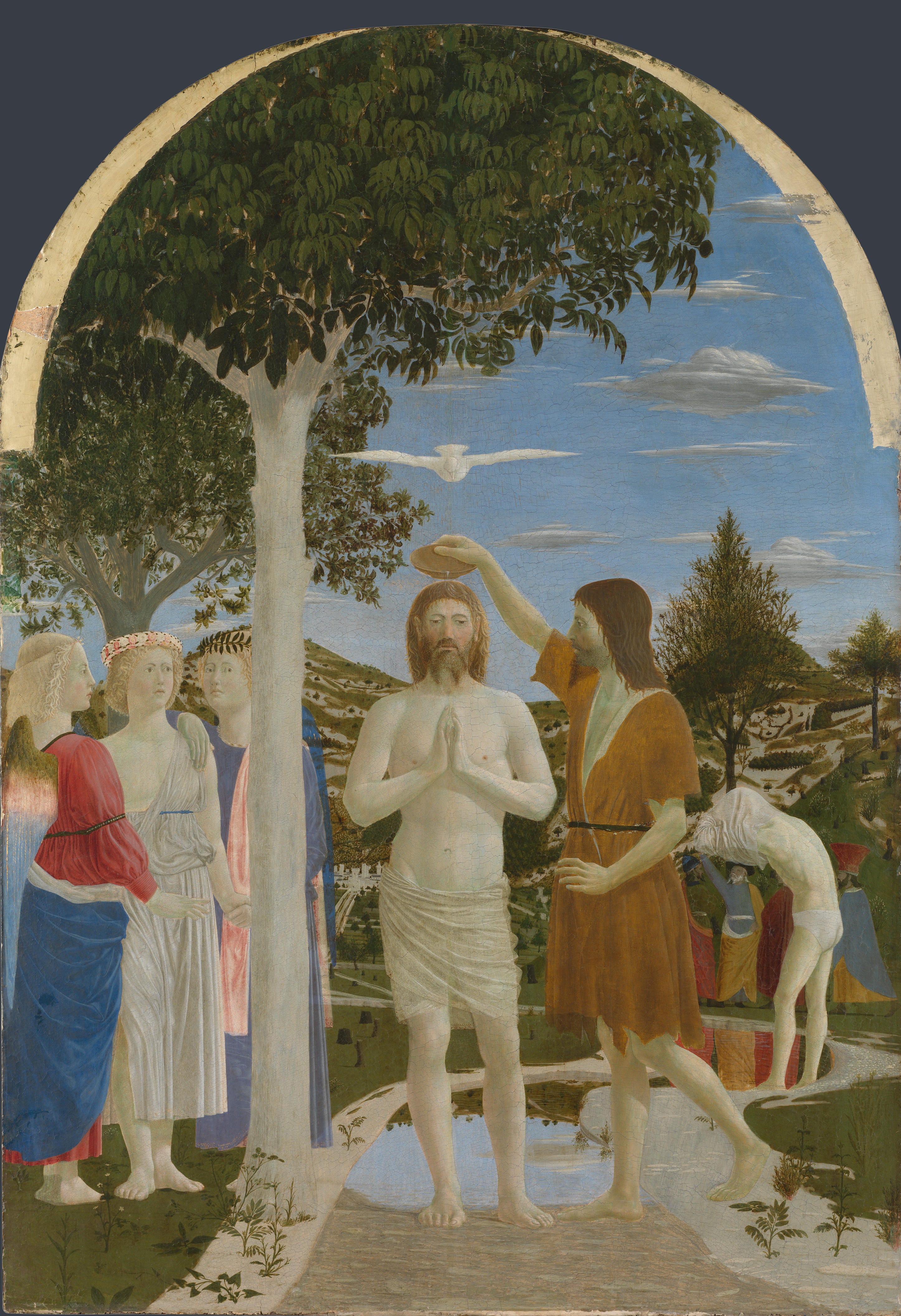
The figure of Christ confounds expectation. He does not arrive as a conqueror or philosopher king. He lives simply, speaks with authority rooted in moral clarity, and attracts followers through teaching and presence rather than force.
Chesterton emphasizes that this strangeness matters. Christianity does not resemble a natural extension of pagan religion or philosophy. It interrupts rather than evolves.
Incarnation and Continuity
Chesterton places the Incarnation at the center of Christianity because it changes how everything else is understood. Christianity claims that God enters history as a man, not as a symbol and not as a temporary appearance, but as a full human life. This separates Christianity from earlier religions that spoke of gods in human form without collapsing the distance between the divine and the ordinary.
If God lives a human life, then ordinary life matters in a new way. Chesterton writes, “The hands that made the sun and stars were too small to reach the huge heads of the cattle.” Work, suffering, and death stop being secondary. They become part of the center. Chesterton sees this as the reason Christianity reshapes moral imagination so deeply. It does not lift humanity out of the world. It places meaning inside it.
The Cross extends this idea. Power appears through sacrifice rather than force. Strength shows itself through care rather than dominance. This reverses older ideas of greatness that tied authority to conquest. Christianity does not remove suffering from life. It enters it and gives it weight. Chesterton sees this as the final reversal of pagan greatness: “God was not killed by His enemies; He was killed for His friends.”
This understanding shapes how Christianity moves through history. It spreads without armies and survives pressure that dissolves other movements. It adapts to local cultures while remaining recognizable. Forms change. The core stays.
The Church carries this continuity. It preserves memory when political systems fail. It keeps texts, rituals, and moral language alive across centuries. Education and charity continue even when other institutions break down. Chesterton treats this endurance as a civilizational achievement rather than an accident.
One of the book’s key insights is that Christianity joins myth and history. The story fits deep human expectation and also claims historical reality. It happens in time and place. This combination gives it unusual strength.
Chesterton wrote against explanations that reduced religion to biology or psychology. He accepted scientific description but rejected accounts that ignored lived experience. People still experience obligation, wonder, and guilt in ways that resist reduction.
Conclusion
The Everlasting Man stands as one of the most ambitious attempts to understand humanity and Christianity together. It resists fragmentation and reduction. It invites readers to view history as a unified story rather than a series of disconnected events.
Chesterton does not present Christianity as an escape from reality. He presents it as something deeply entangled with it. “Christianity,” he writes, “is not a thing like a theory, but a thing like a love affair.”
The book continues to matter because the questions it addresses remain unresolved. Modern life explains much, yet it still leaves room for wonder, moral responsibility, and meaning.
Chesterton’s answer lies in perspective rather than nostalgia. Christianity appears in his account as a central event in the story of man, one that continues to shape how people understand themselves and the world they inhabit.